The continuous crisis situation in which Andalusia always finds itself, could have been a perfect context to forget about contemporary architecture or not to have bet on it. However, it is quite the opposite. Even the smallest project or those that would be considered elsewhere as insignificant, are conceived from a lively and bold contemporary eye, developing ingenious solutions with very limited resources. The contemporary architecture of those under 50 years of age in Andalusia shows off craftwork in the details and inventiveness in selecting and recycling the materials. It is a magnificent example to demonstrate that contemporaneity is not found in loose budgets or in the latest and most expensive materials.
In Andalusia there is a contemporary attitude towards architecture that is difficult to find elsewhere in Europe. It is probably the region where the Mies van der Rohe quote “less is more”, is best accomplished, because of the skilled contemporary projects that are built, for even € 600 / m², something unthinkable in other places.
Another reason for this post is that normally when we think about architecture in Andalusia, it is believed that only historical architecture will be interesting, and that only Seville, Malaga or Granada exist. There are 8 provinces with different landscapes, a great diversity of local materials and very different construction solutions. These are the 8 provinces where we offer specialized architecture tours (some examples can be found at this link).
All these projects have been built by architects under the age of 50 whose careers have had to develop mainly in an environment of continuous economic crisis, sharpening ingenuity, dealing with incredibly low budgets, but finding in these conditions the inspiration for creative solutions of very high architectural quality.
Almeria: contemporary architecture meets the desert
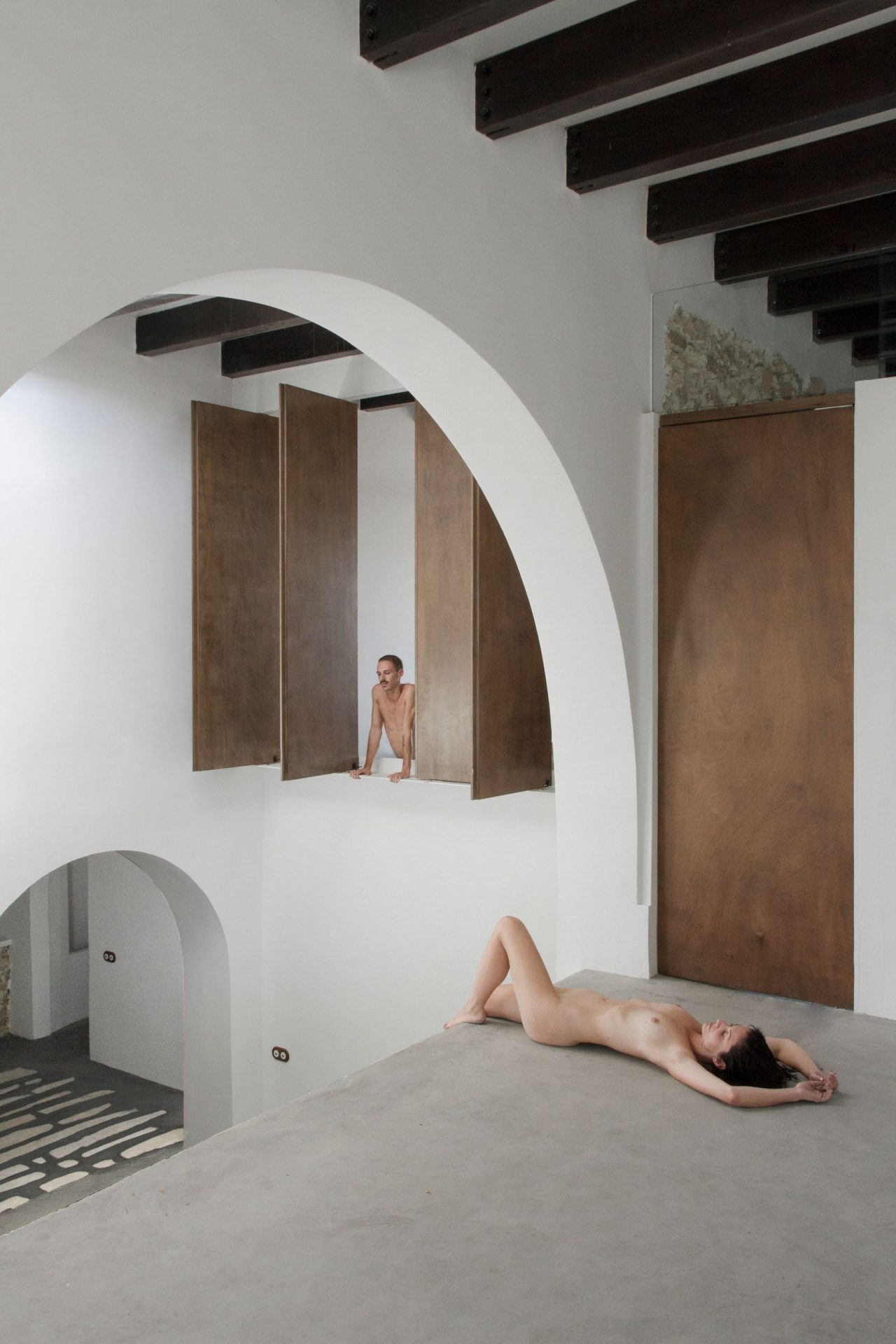
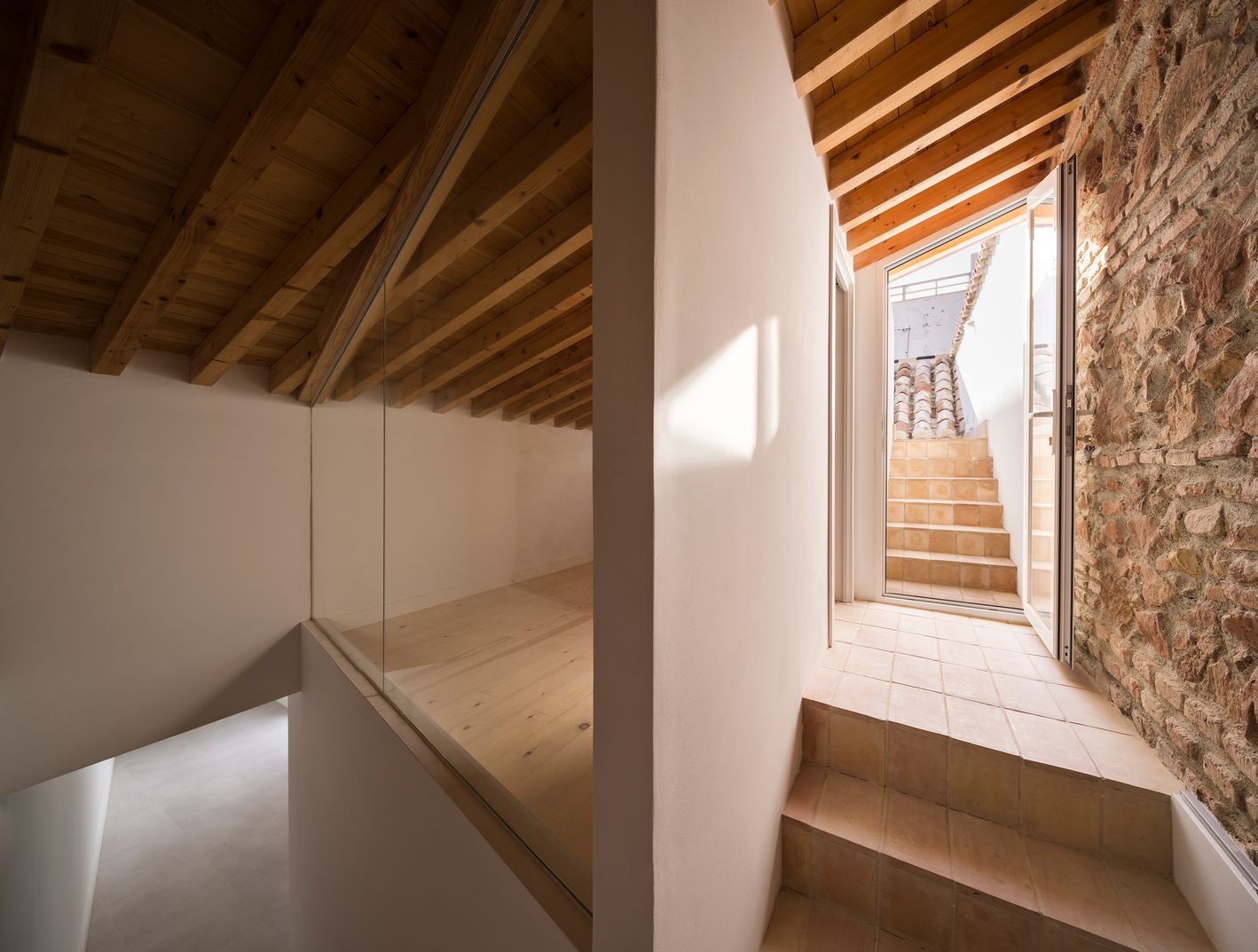
Boquera Morilla House is placed in Níjar (Almería), and was built in 1889 as a farm. The architect Álvaro Carrillo Eguilaz was nominee for the EU Mies award in 2019 because the jury considered that it was an outstanding “review of traditional architecture and its climate concept from the new ways of working and living in the 21st century”.
“For the innovation it is proposed a sequence of rooms following two superimposed strategies: work with existing elements, assigning a greater role to distinctive stone objects and manipulating loadbearing walls so that new openings with timeless shapes would be created; and making new light separations to address domestic needs. The result is a continuous space at various levels where massive old walls are fused with new elements.”