Wright’s unrealized project and Scarpa’s redesign for the Masieri Foundation in Venice
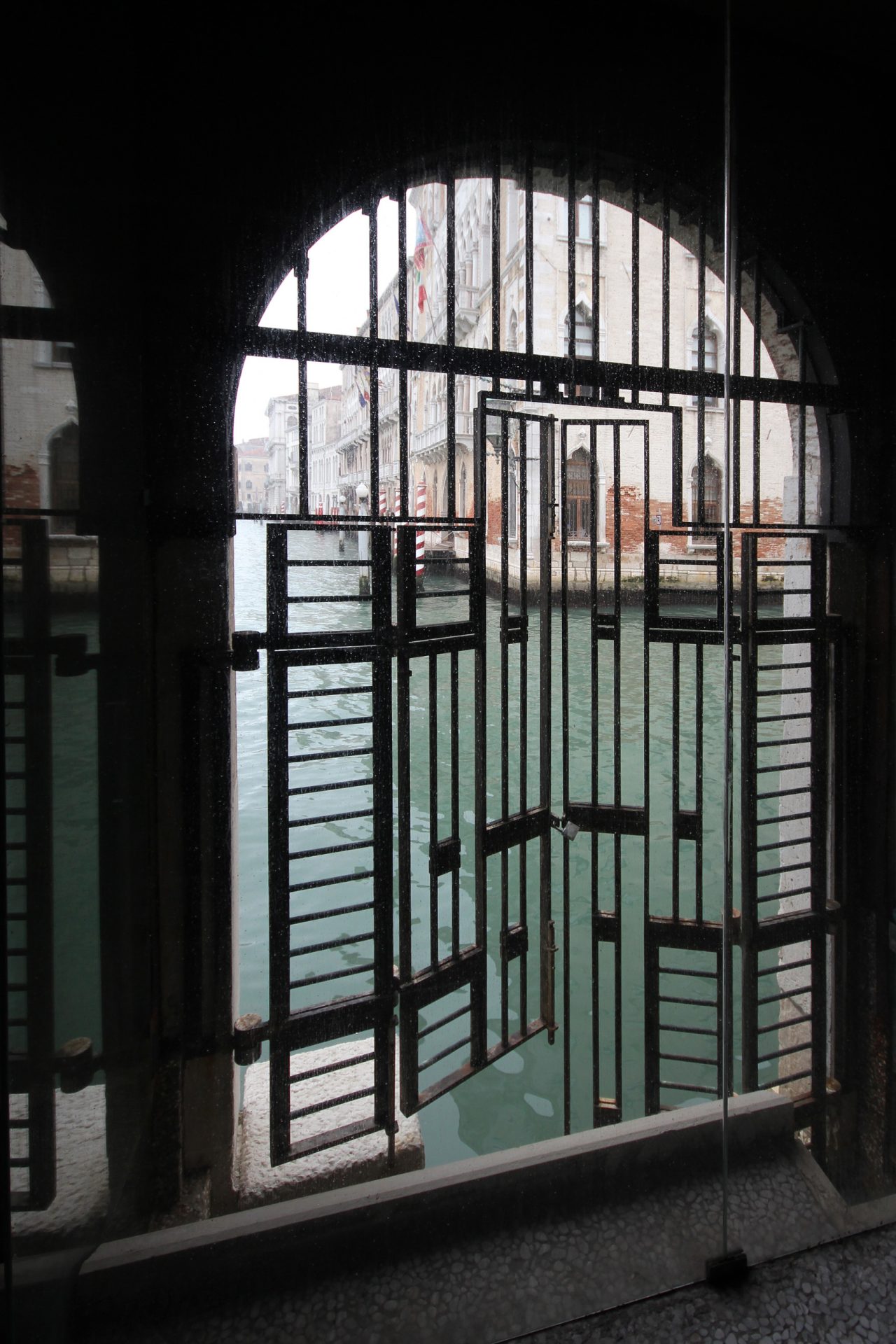
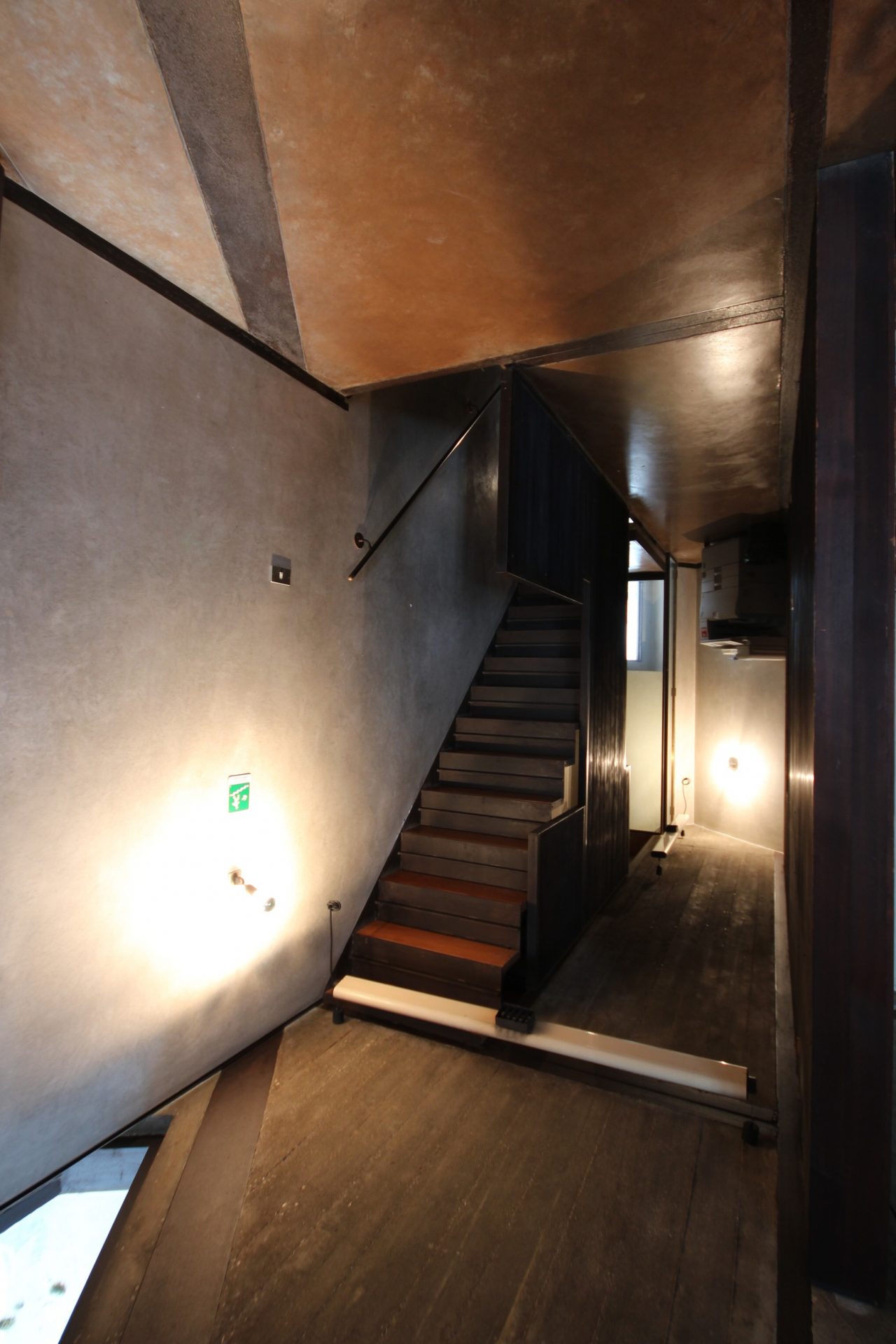
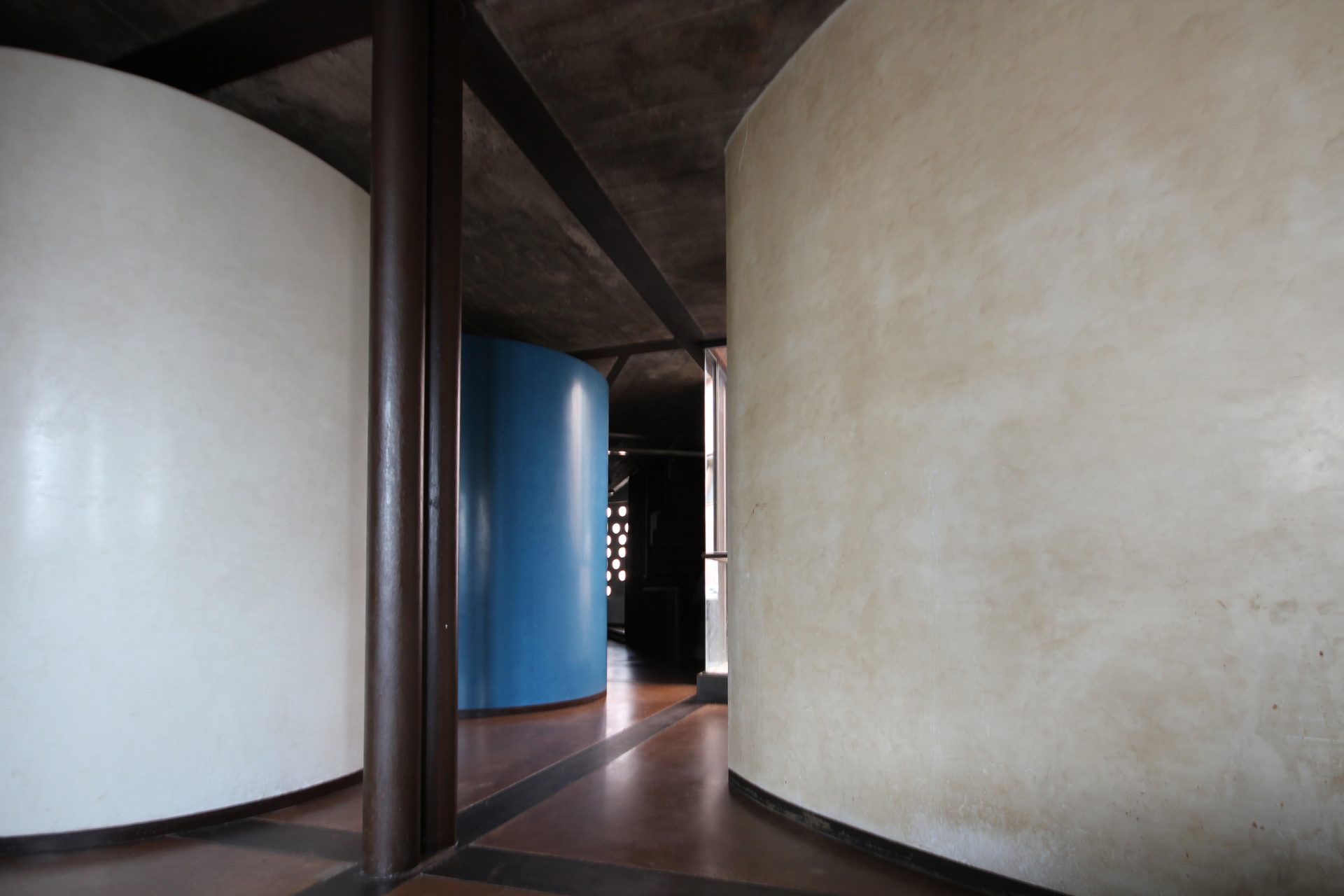
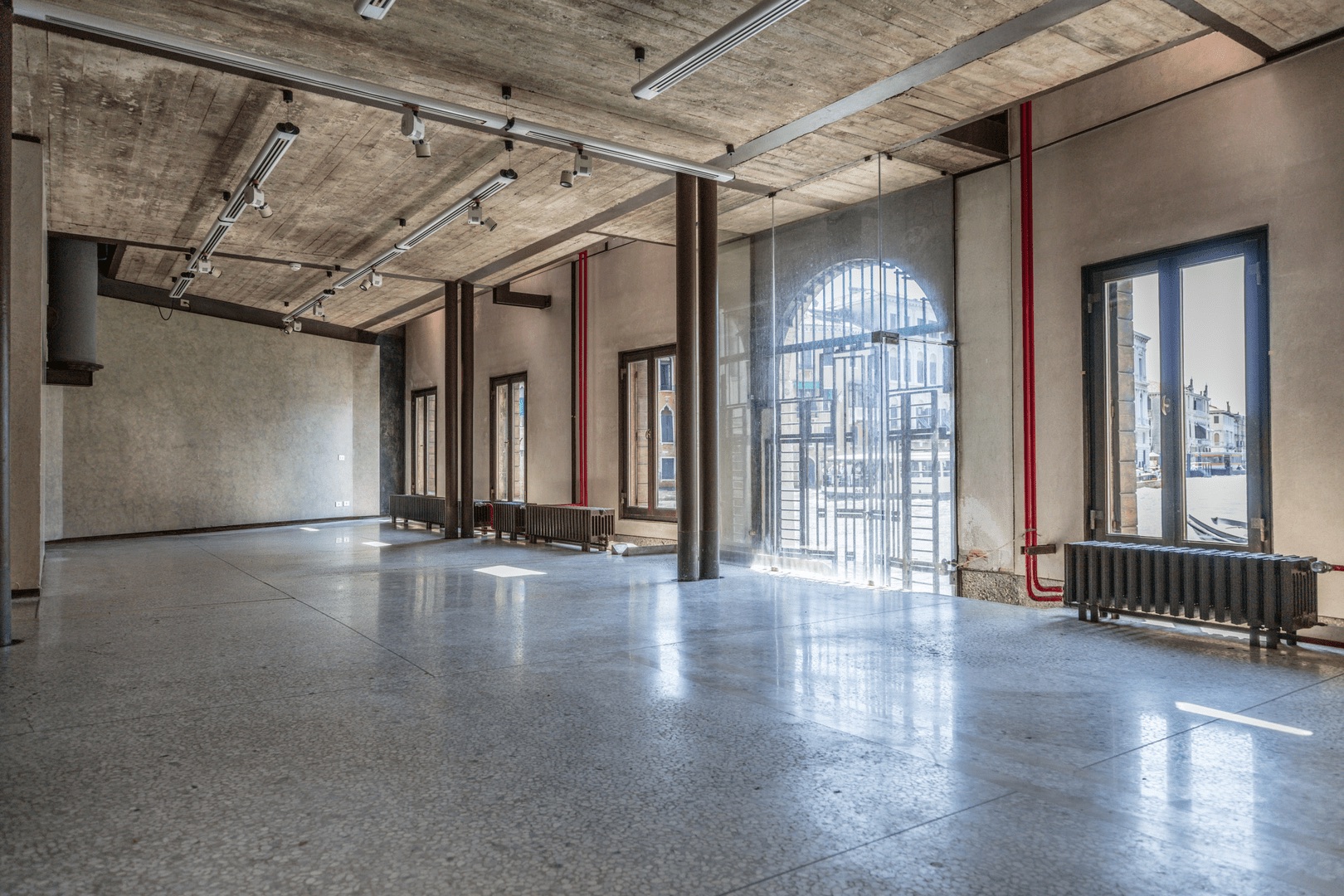
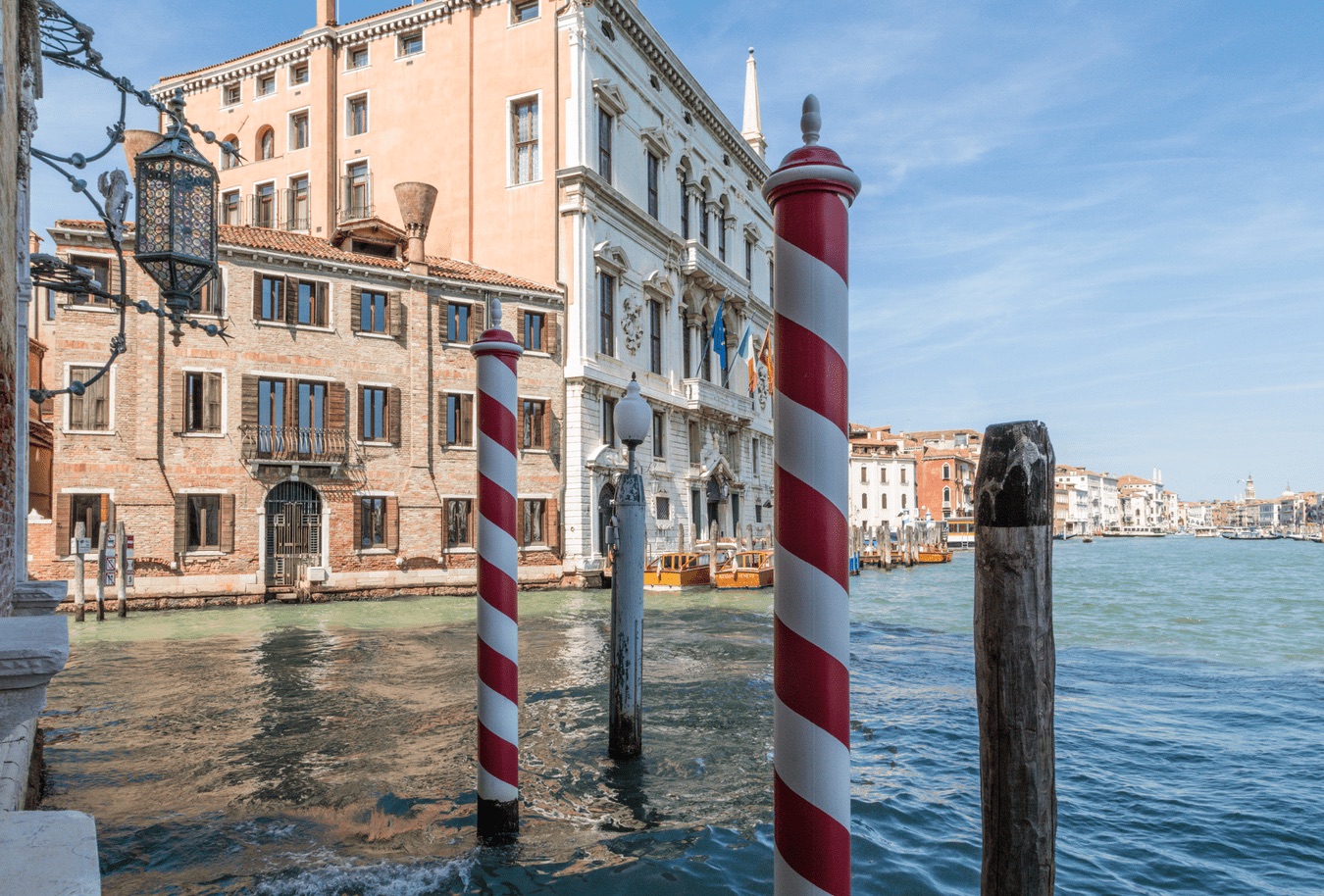
The talented young architect Angelo Masieri, owner of a small XVIII-century building in Venice, died in a car accident in 1952 while driving in the United States to commission Frank Lloyd Wright the restoration project of his house on the Grand Canal. It was therefore decided to use the building as a memorial in honor of Masieri and in 1953 Wright presented the project for a building conceptually close to the typical Venetian one, but characterized by windows and floors of different heights and by a side elevation of the volume flanking the adjacent palace. Following criticism from the cultural circuit and the lack of approval from the Municipality of Venice in 1955, the task was first entrusted to Valeriano Pastor and finally to Carlo Scarpa, whose project was approved in 1972, partially realized after his death and inaugurated in 1983. A Foundation was established with the aim of hosting a multifunctional cultural center and accommodation for deserving architecture students, according to Masieri’s wishes. The idea of maintaining the historic façade on the Grand Canal, still in brick, was successful, separating it from the internal redesign of the building, modifying the original height of the floors and creating a living space for the students. The entrance from a narrow, hidden street increases the amazement of the visitor who can find Scarpa’s architectural quality here. In fact, as in the nearby Querini Stampalia Foundation, the poetry of the water that enters the building through the “Water Gate” echoes. The architectural promenade continues through spaces that over the years have been used for conferences, exhibitions, editorial activities and architectural research.