Glasgow’s urban fabric is a patchwork of architecture spanning many eras, whilst the majority of the city continues to thrive a number of buildings have been adversely affected by the weather that characterizes the city and are now in jeopardy. Amongst crumbling façades and chipped paintwork there are some architectural gems that are not always obvious to the casual observer, so we invite you to take a guided tour through the streets of Glasgow to find these hidden highlights.
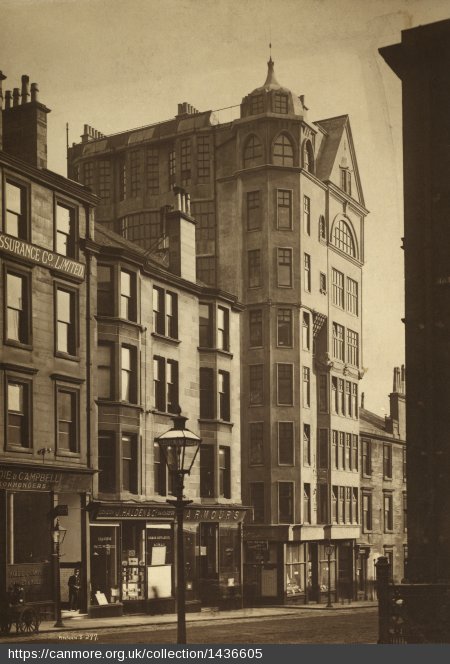
External View of the Lions Chambers from 1912. Author: Courtesy of Historic Environment Scotland
The Lion Chambers is an easy building to miss, occupying a site of only 10 by 14 meters, Salmon + Gillespie employed pioneering technology to create law chambers and artist studios on the compact site. Moving away from stone and steel, typical materials of the city in 1907, they worked with early reinforced concrete to create a structure of 21 continuous columns with non load-bearing concrete panels between them pared down to a mere 100 mm thick. At the time, only the second building in Scotland to employ this new technology, its innovation has led to its undoing; the cast in-situ façade has meant repairs have been a greater challenge and modern environmental standards hard to achieve.
Second best
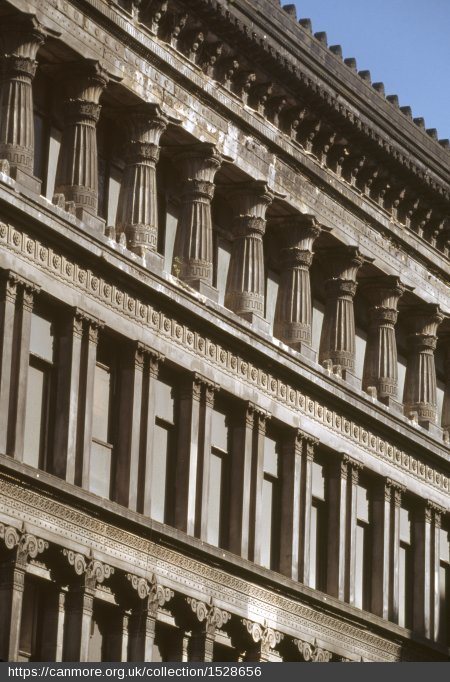
The exotic use of classical motifs on the façade of The Egyptian Halls. Author: Courtesy of Historic Environment Scotland
Alexander ‘Greek’ Thomson is regarded by many as the second architect of Glasgow behind the more famous Charles Rennie Mackintosh, and his buildings have certainly not been given as much care. The Egyptian Halls, completed in 1872, is renowned as the architect’s finest commercial premises. The extraordinary façade incorporates a host of classical elements, flowing Grecian columns, Roman style entablatures and pseudo Egyptian capitals, but now lies mostly unoccupied under protective scaffolding as its fate is decided. Thomson’s other buildings haven’t faired much better: Caledonia Road Church, with it’s finely balanced composition of Greek temple and magnificent tower, is in fragment of its former self after a fire in 1965 left it in a state of ruin.
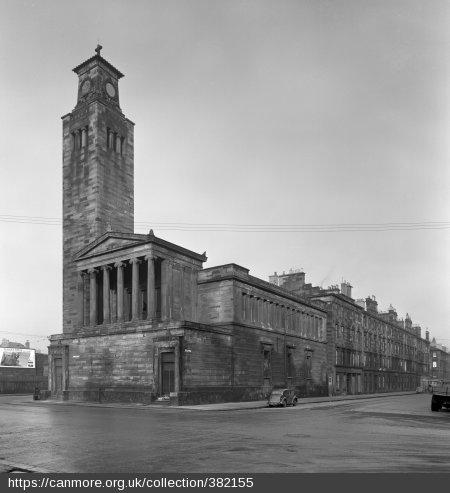
The now ruinous Caledonia Road Church by Alexander ‘Greek’ Author: Courtesy of Page and Park Architects
Its not all doom and gloom…
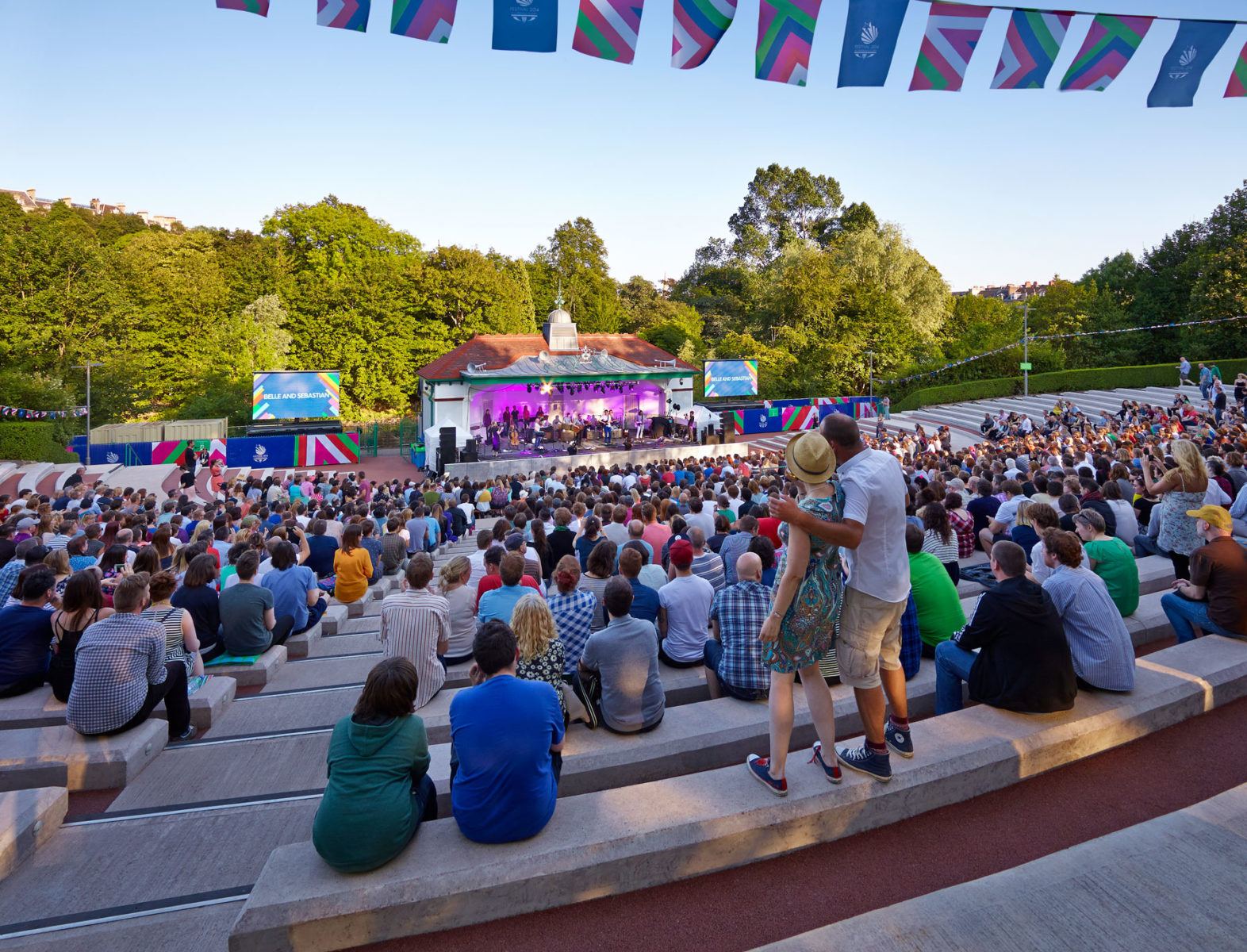
We are heartened by recent projects from architects willing to take on the challenges of these buildings in despair. Page and Park have been working to conserve many disregarded sites including The Kelvingrove Bandstand where original features were painstakingly restored to make this building fit for use in the 21st century. On a larger scale, the abandoned modernist St Peters Seminary by Gillespie, Kidd and Coia has undergone a spectacular transformation by arts organization NVA and is hoping to be open to the public in the near future.
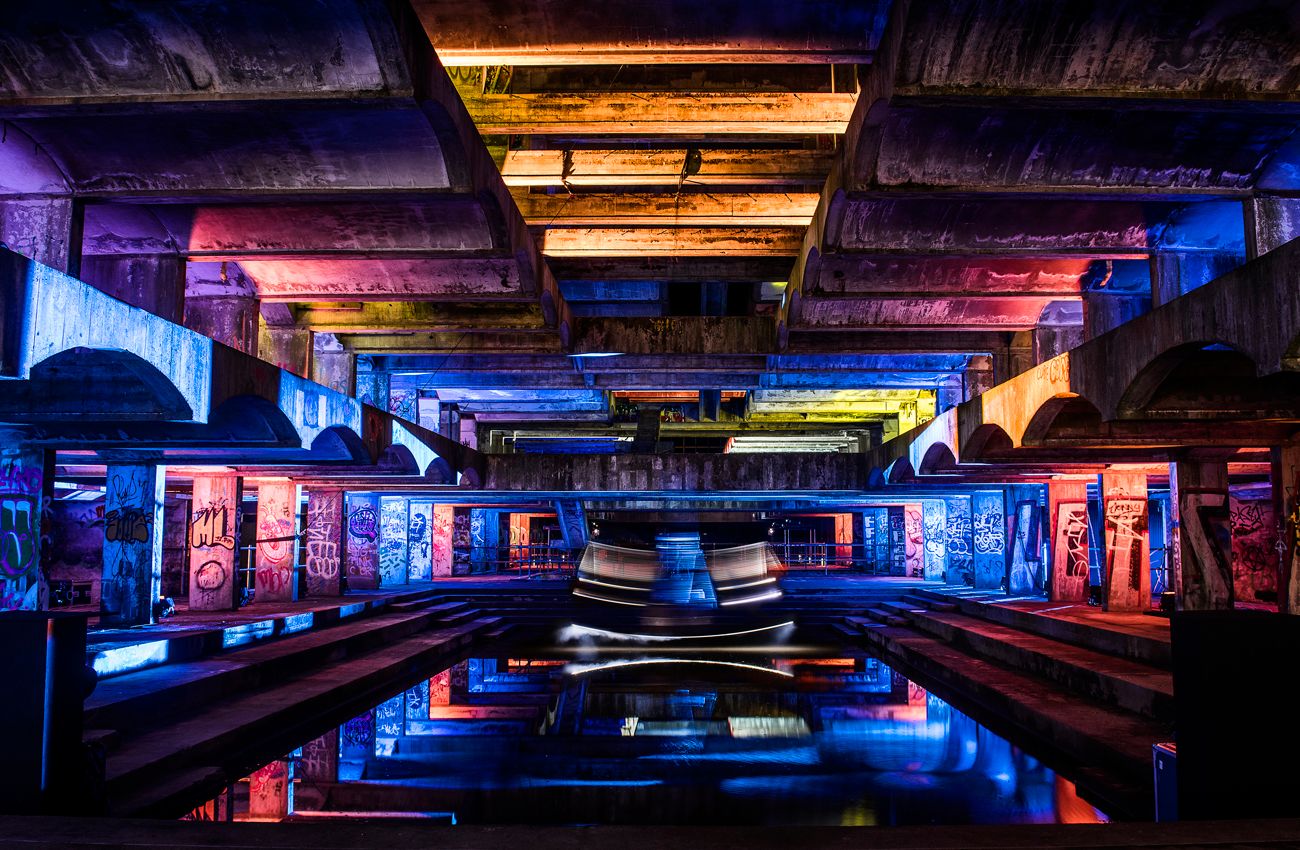
Hinterland at St Peter’s Seminary by NVA. Author: Courtesy of NVA.
So we encourage you to take another look at these maligned buildings, to find the beauty in their ruins and character in their weathered exteriors.
Text by: Dress for the Weather