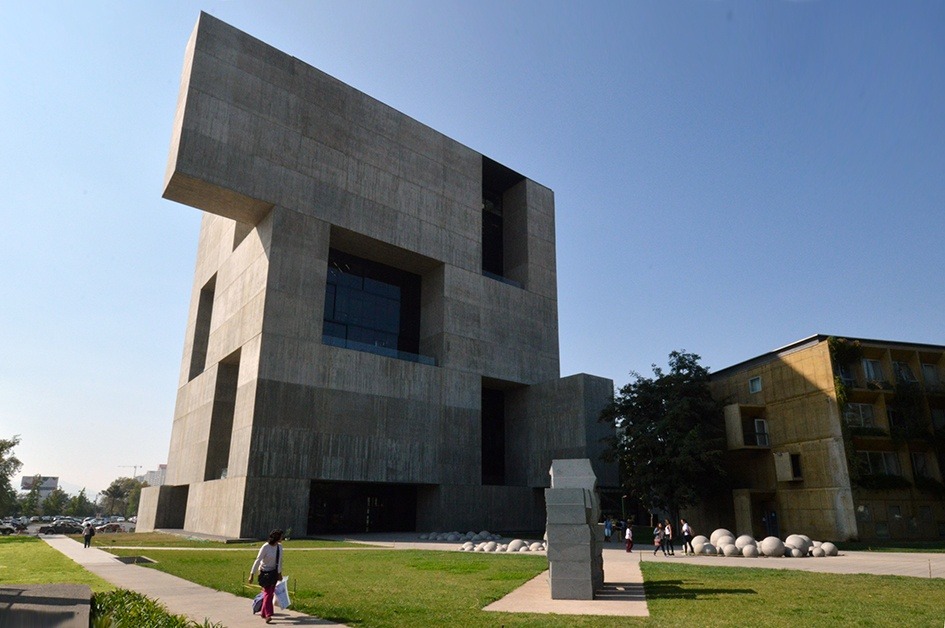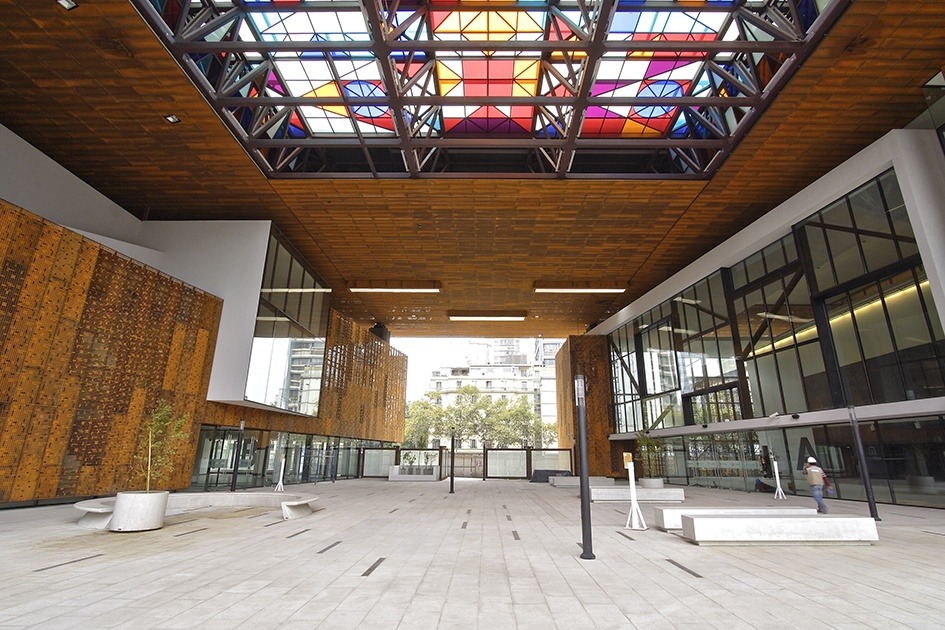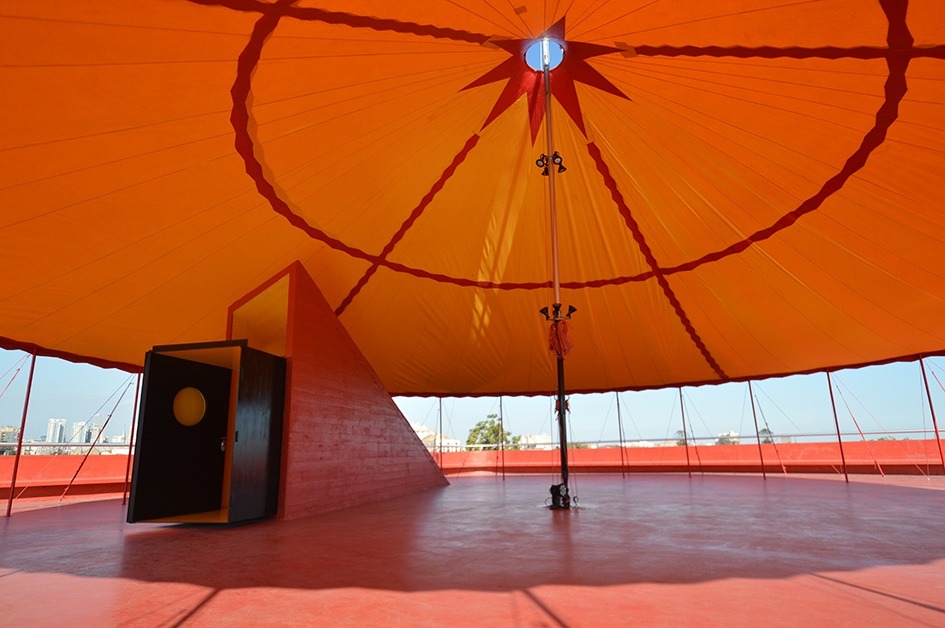
At present Chilean architecture is living a moment of world-wide recognition. Awards as the recent Pritzker granted to Alejandro Aravena, and buildings as Smiljan Radic’s pavilion designed for the Serpentine Gallery in London, have located the work of this country at an international showcase.
The origin of this phenomenon is mainly generated by the consolidation of a group of architects from the generation that starts its professional life at the beginning of the 90s.
At that time diverse factors were met which generated the actual situation; a strong and stable economy within the Latin American context, plus the return of democracy and political stability. This established an ideal context to start working on new development projects, in a country that opened itself to the world and grew at accelerated rhythm.
At the beginning, the work of the architects was principally determined by the strong real-estate market and the assignments of single-family houses of the highest socio-economical stratum, then starting to generate the first Chilean architecture apparitions in the global editorial industry.