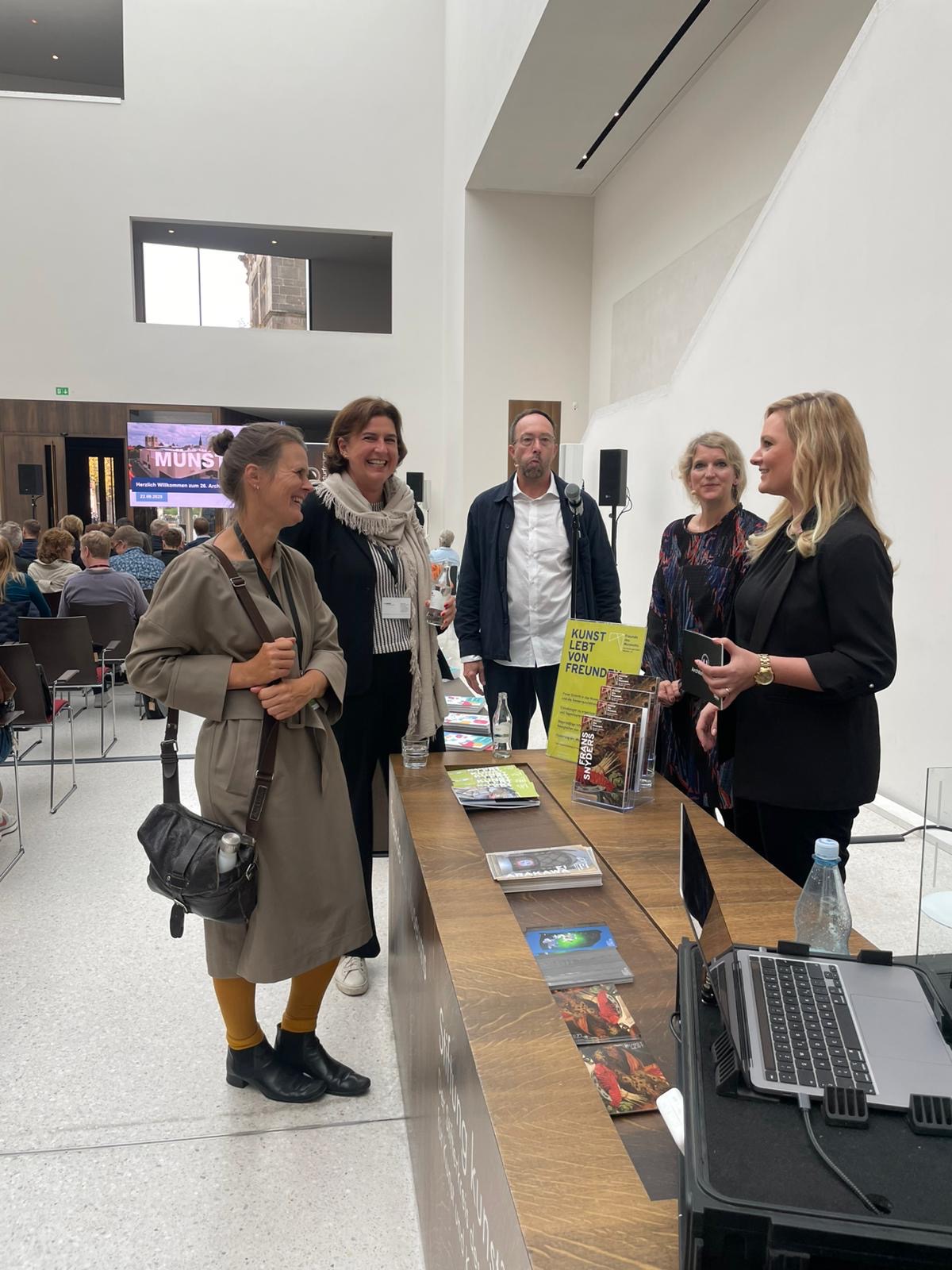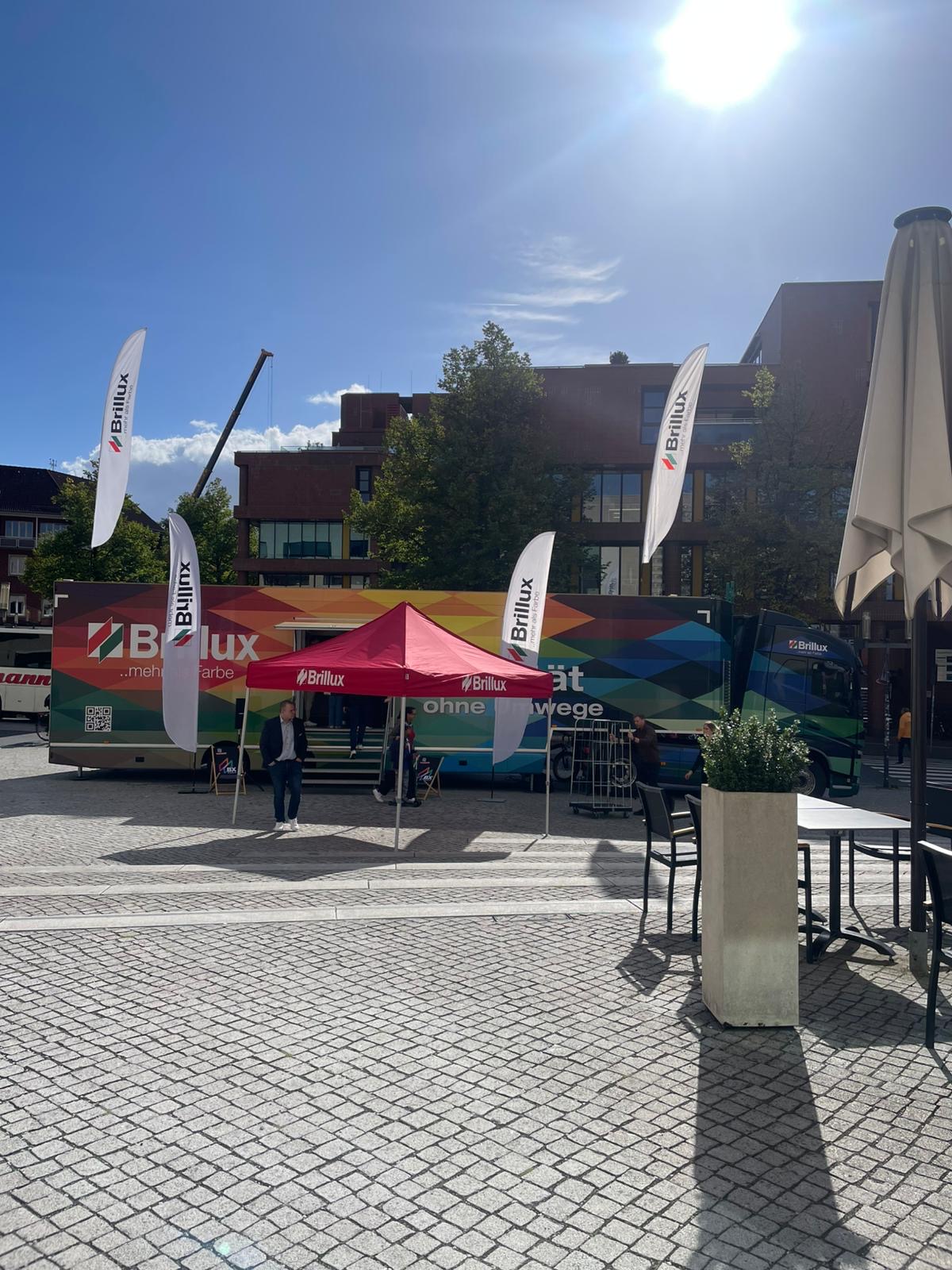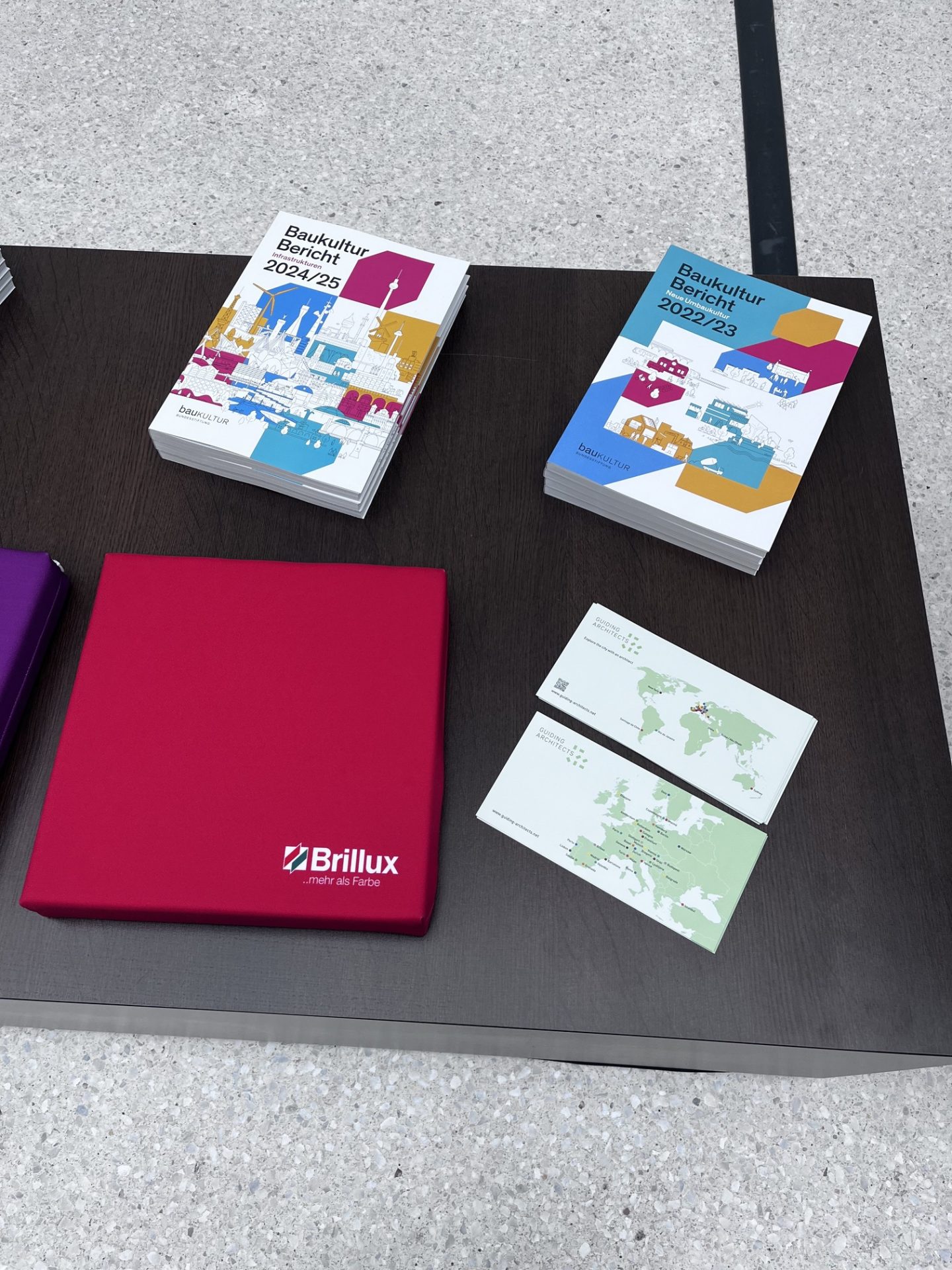
Guiding Architects, article: 26th Brillux Architecture Forum in Münster (Fig. 1)

Transformation and revitalisation of urban spaces are more relevant than ever in view of space shortages and climate change – as demonstrated by the 26th Brillux Architecture Forum on 22 September 2025 in Münster.

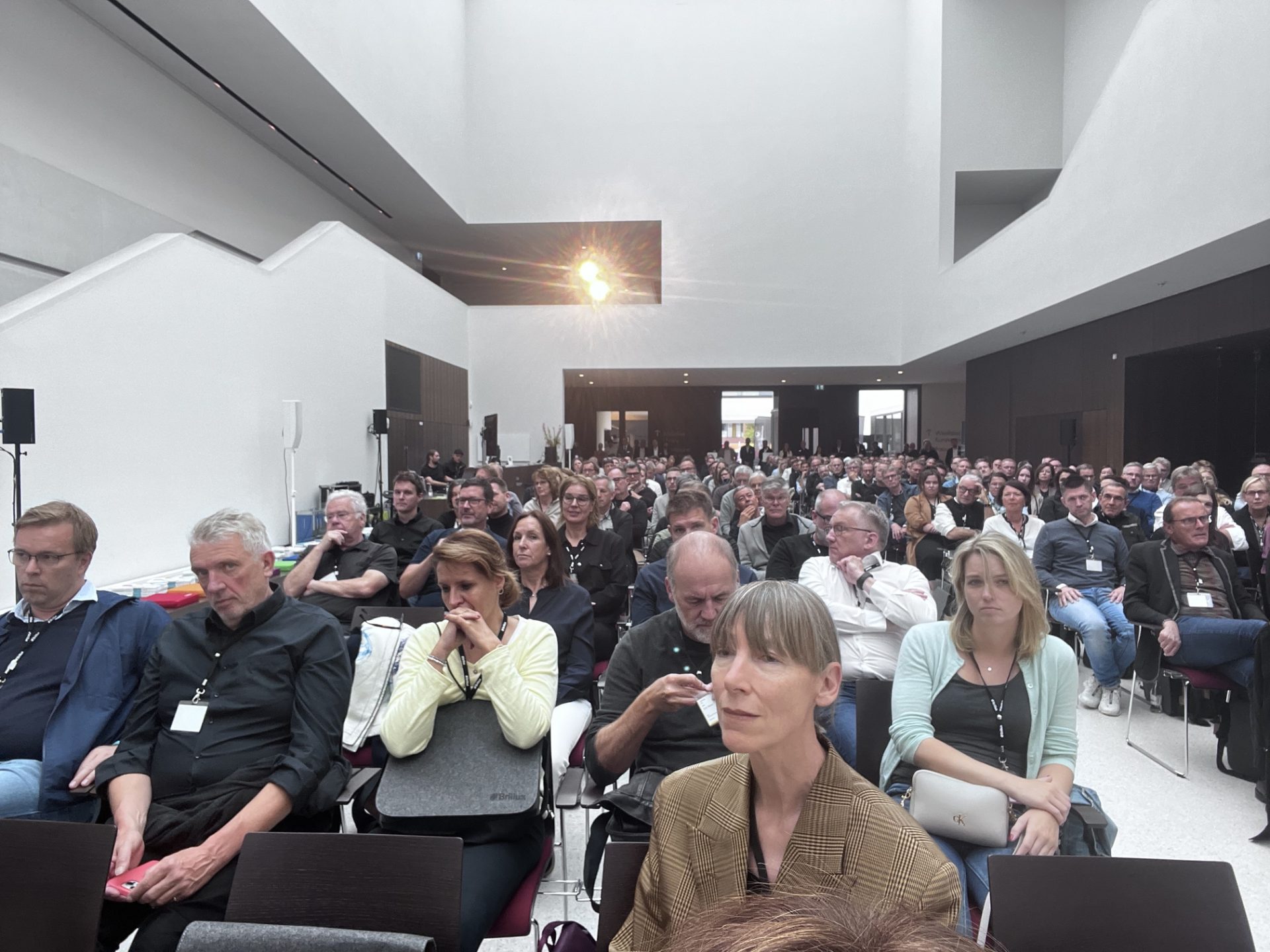
Under the title ‘Transformation, Vision and Revitalisation – New Neighbourhoods on Old Structures’, around 300 architects discussed innovative strategies and projects with four renowned speakers.
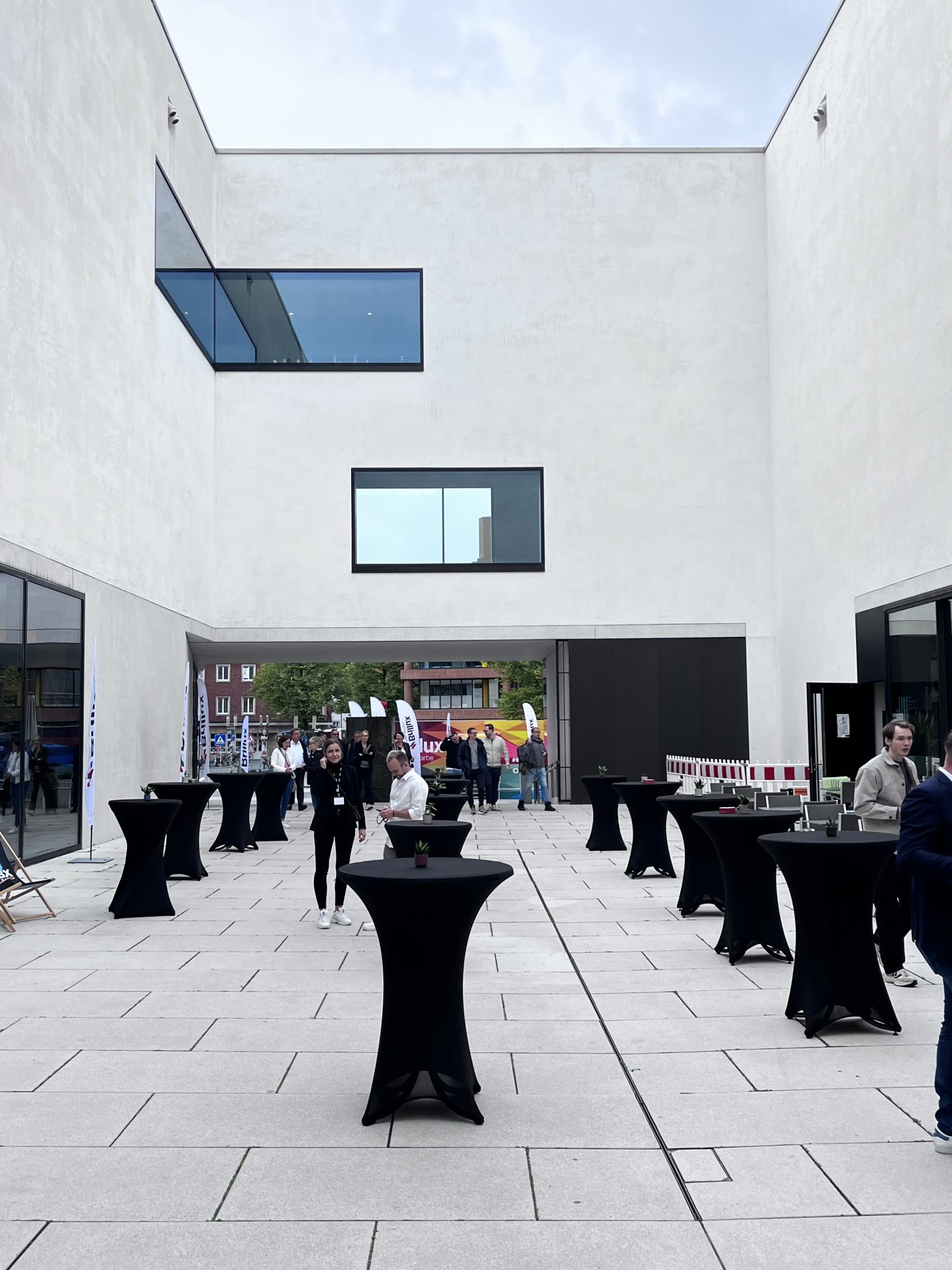
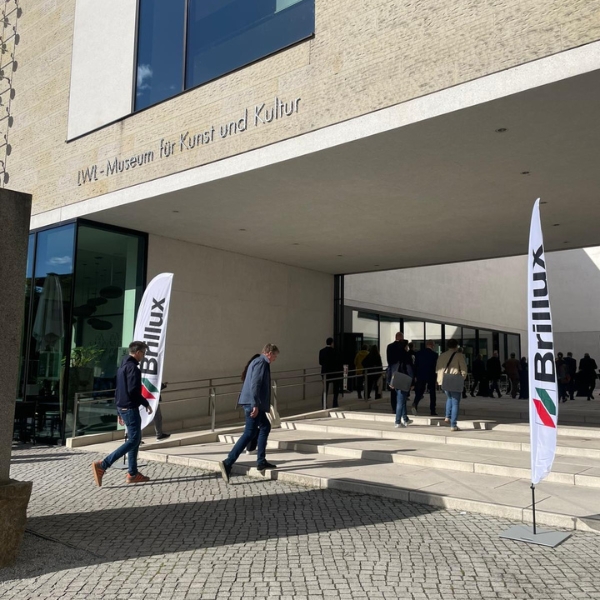
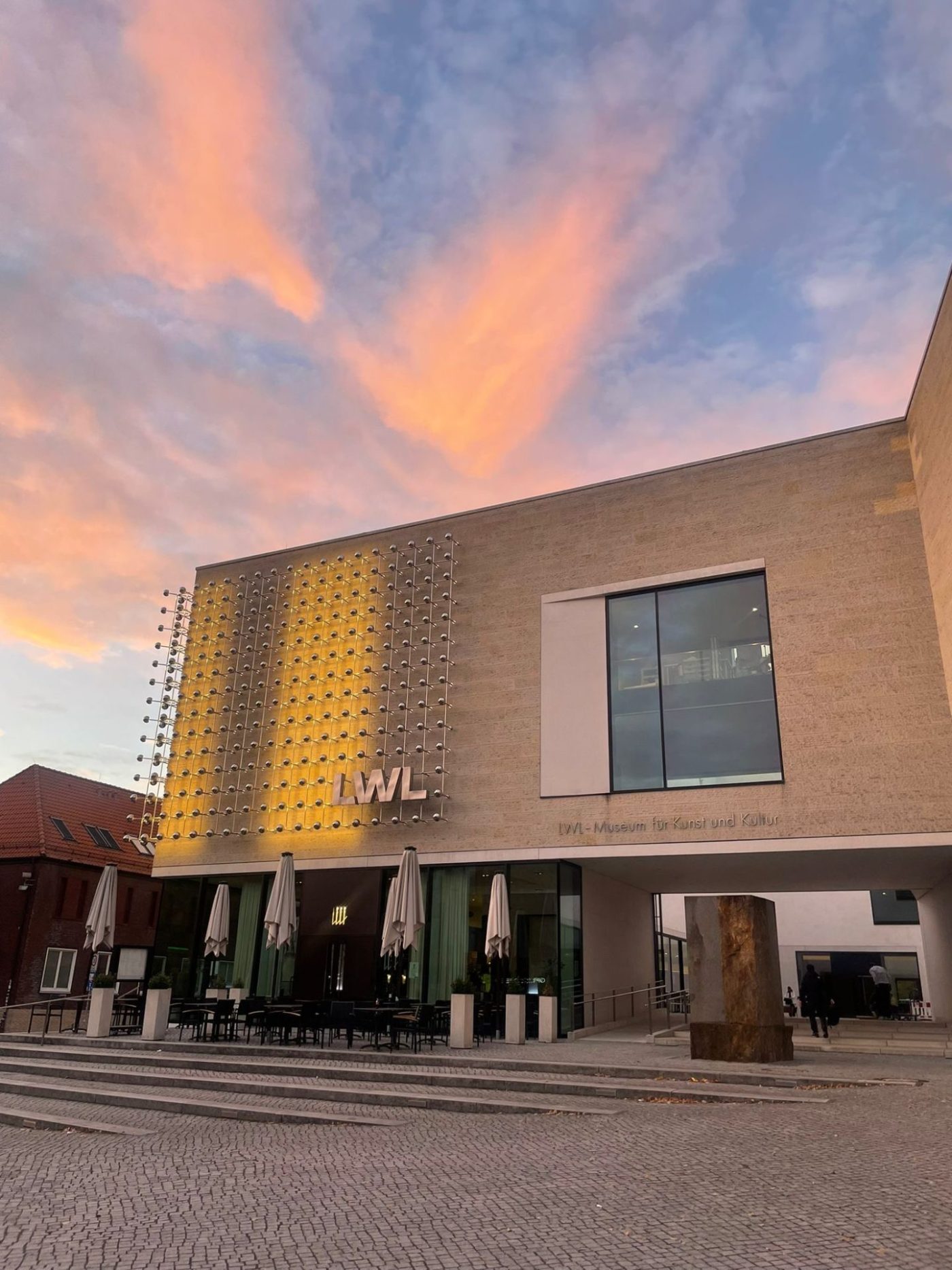
The LWL Museum of Art and Culture, designed by Volker Staab Architects, provided the perfect setting.
Guiding Architects, article: 26th Brillux Architecture Forum in Münster (Fig. 2)

LWL Museum ©Alessandra Speziali

The focus was on the questions: How can we create new living space in growing cities? What role do transformation and temporary use play? And how can existing neighbourhoods be developed in a sustainable manner?
Impulses were provided by Wolfram Putz (GRAFT, Berlin), Caroline Nagel (COBE, Copenhagen), Reiner Nagel (Federal Foundation for Building Culture, Berlin) and Herwig Spiegl (AllesWirdGut Architektur ZT GmbH, Vienna) – moderated by Nina-Carissima Schönrock.

Guiding Architects, article: 26th Brillux Architecture Forum in Münster (Fig. 3)

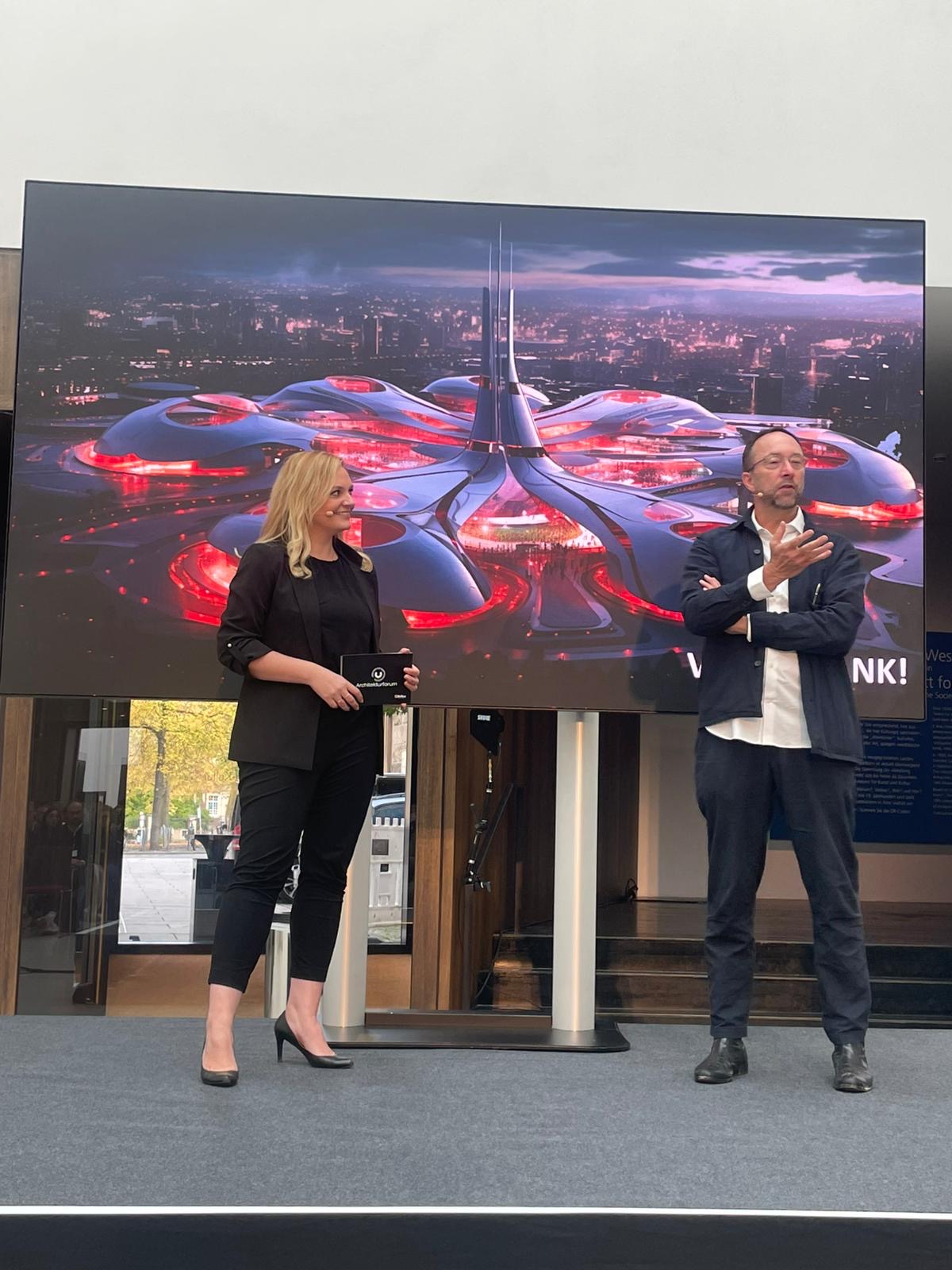
Nina-Carissima Schönrock und Wolfram Putz. ©Alessandra Speziali

Wolfram Putz (GRAFT) kicked off the lecture series with his presentation ‘Futures Literacy – Architecture (Visions) in Times of Change.’ In it, he focused on visionary concepts for the city of the future and presented modular residential buildings designed by his Berlin-based firm as a response to the challenges of urban change.

Guiding Architects, article: 26th Brillux Architecture Forum in Münster (Fig. 4)

Wolfram Putz, GRAFT. ©Claudia Neeser ga-munich

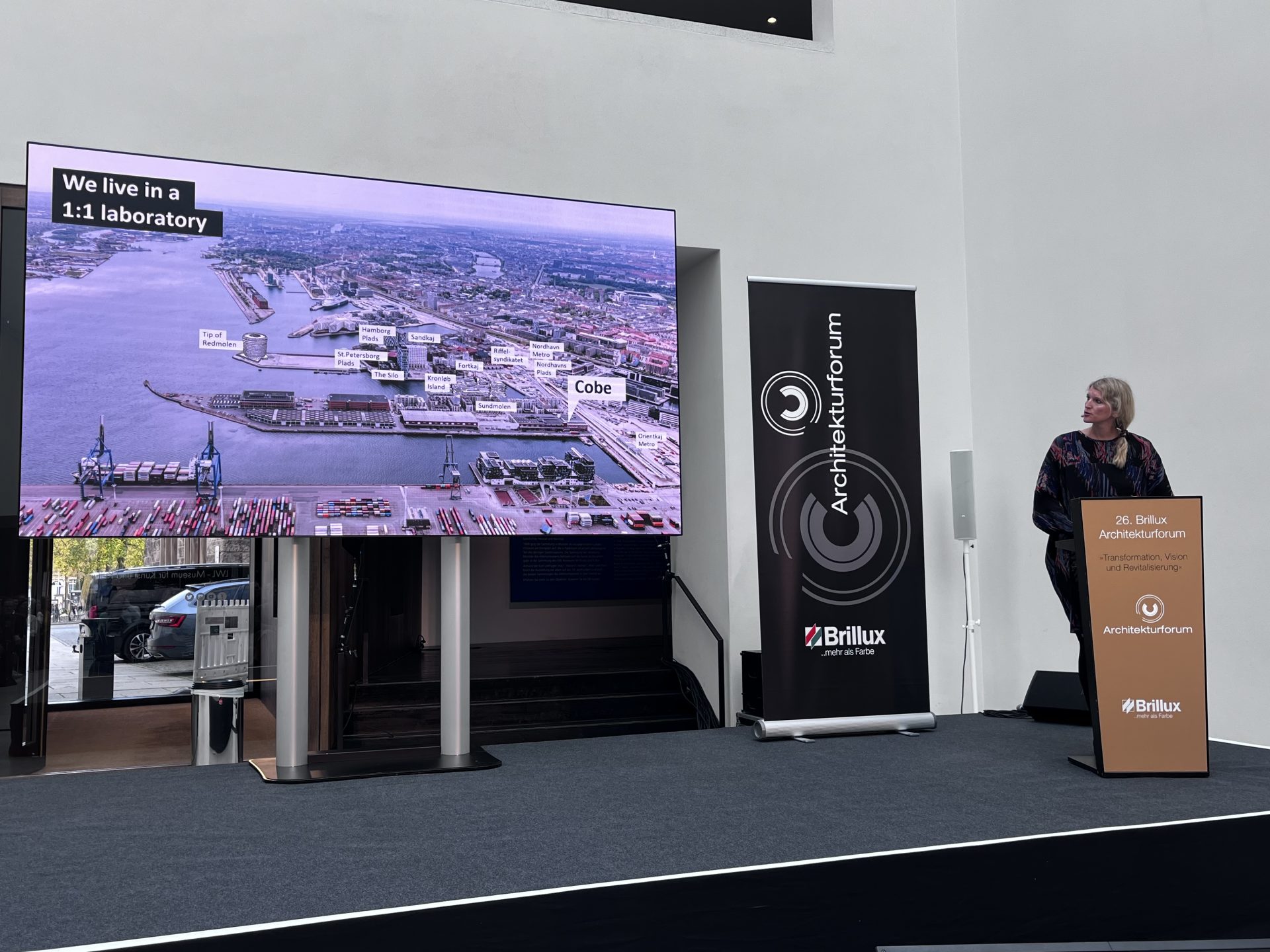
Caroline Nagel (COBE) then presented practical experiences from Copenhagen: with her office, she has realised numerous projects for the temporary use of former industrial sites – understood as catalysts for long-term developments. Particularly impressive was her presentation of the Nordhavn project, a new micro-city that combines the central principles of the European city – from well-thought-out mobility concepts and the idea of the ‘five-minute city’ to lively ground floor zones.

Guiding Architects, article: 26th Brillux Architecture Forum in Münster (Fig. 5)

Caroline Nagel, COBE. ©Claudia Neeser ga-munich

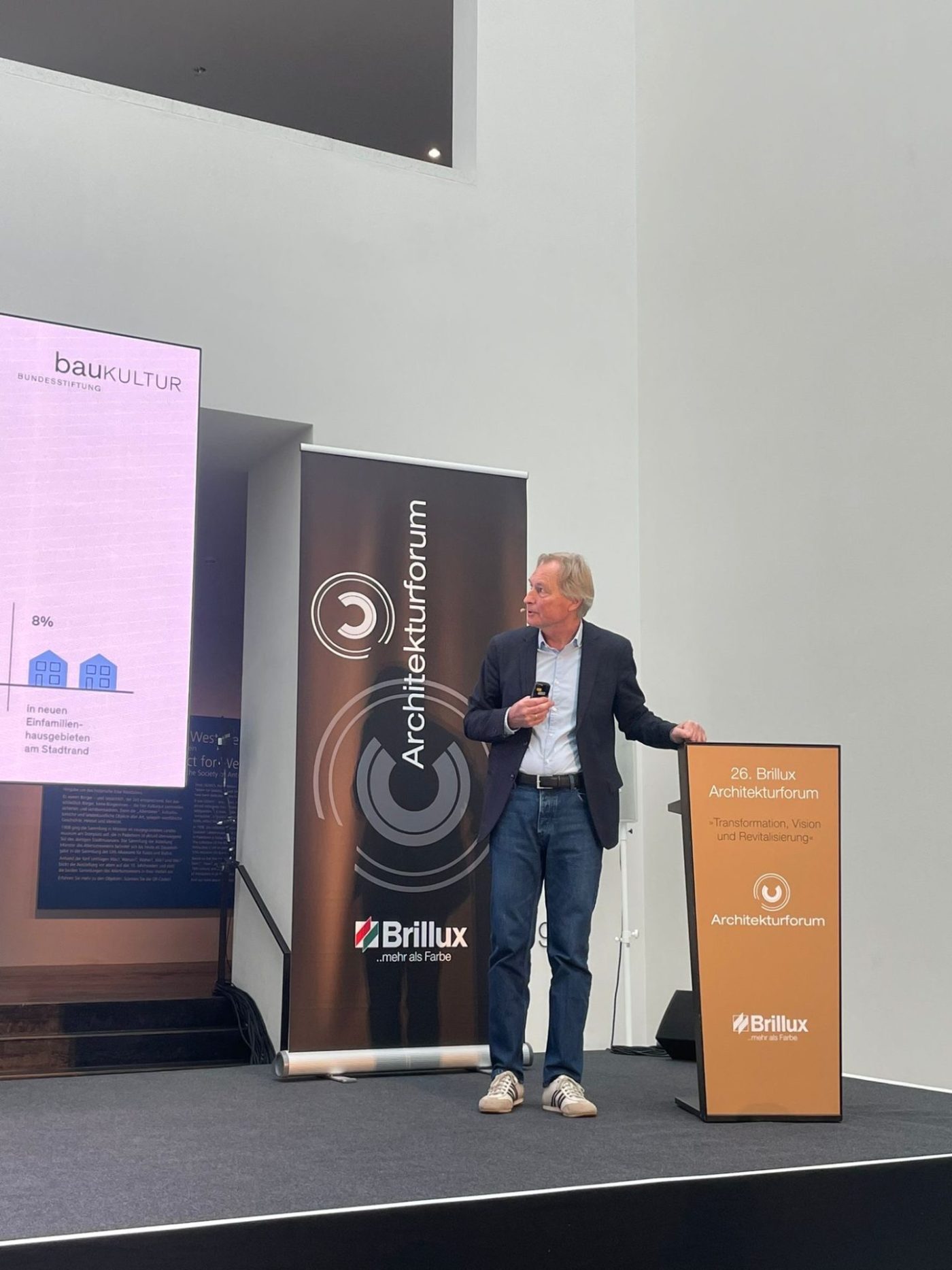
Under the title ‘Building culture as a driver of transformation’, Reiner Nagel (Federal Foundation for Building Culture) argued that, in times of growing economic and time constraints, we must not lose sight of the quality of construction. Building culture, he argued, must remain a guiding principle – as the basis for sustainable, liveable spaces.

Guiding Architects, article: 26th Brillux Architecture Forum in Münster (Fig. 6)

Reiner Nagel, Bundesstiftung Baukultur. ©Alessandra Speziali

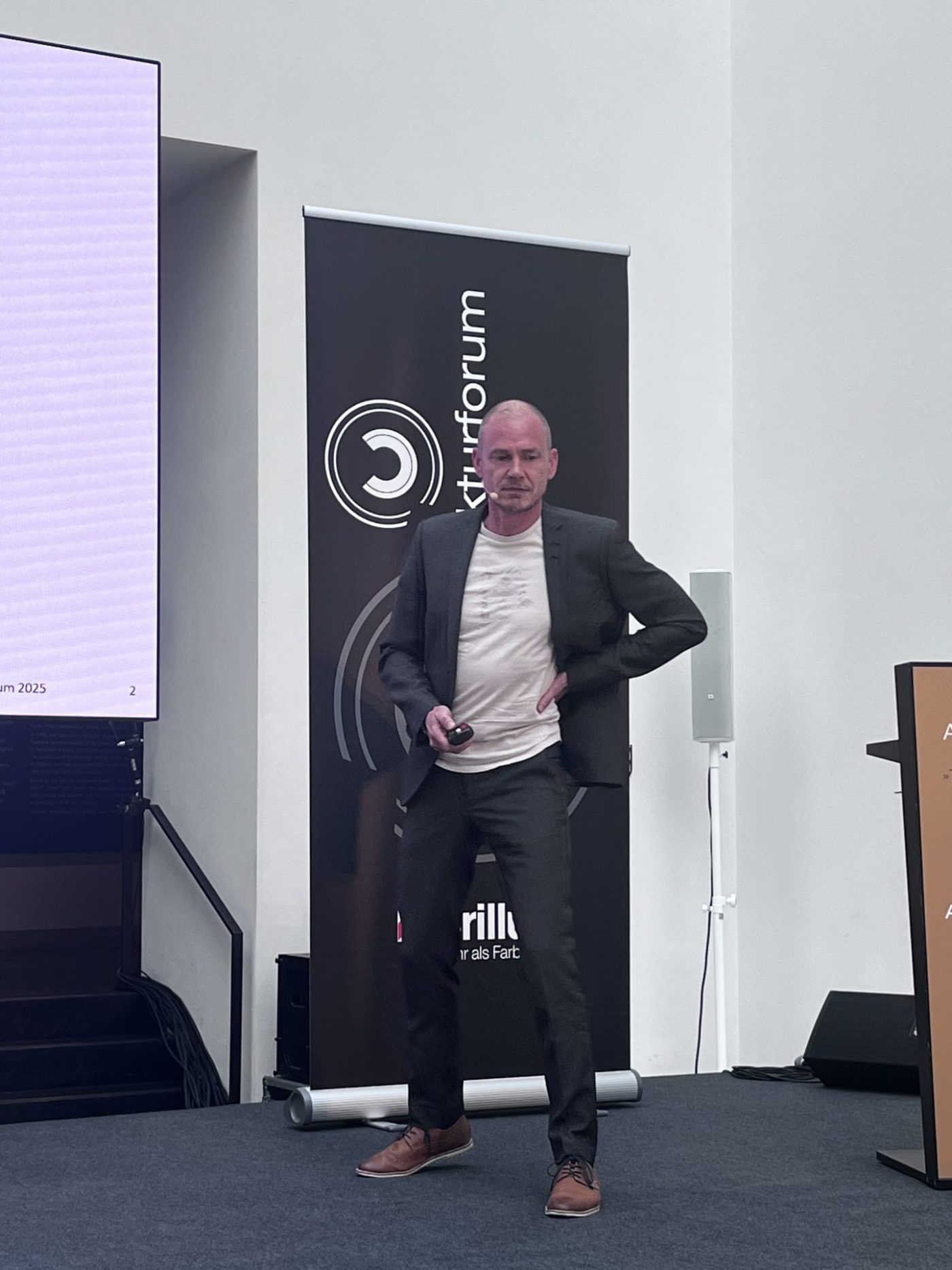
Herwig Spiegl (AllesWirdGut Architektur) concluded with the question: Which spaces between buildings provide orientation and foster community? Using selected projects, he showed how well-designed interstitial spaces promote neighbourhoods, enable encounters – and thus contribute significantly to the vitality of urban neighbourhoods.

Guiding Architects, article: 26th Brillux Architecture Forum in Münster (Fig. 7)

Herwig Spiegl, AllesWirdGut. ©Claudia Neeser ga-munich

The series of lectures covered a wide range of topics, from visionary concepts for the future to the social and spatial qualities of successful neighbourhood development. Numerous questions from the audience led to a lively and insightful discussion afterwards.

Guiding Architects, article: 26th Brillux Architecture Forum in Münster (Fig. 8)
Guiding Architects, article: 26th Brillux Architecture Forum in Münster (Fig. 9)
Guiding Architects, article: 26th Brillux Architecture Forum in Münster (Fig. 10)
Guiding Architects, article: 26th Brillux Architecture Forum in Münster (Fig. 11)
Guiding Architects, article: 26th Brillux Architecture Forum in Münster (Fig. 12)

Discovering architecture: excursions through Münster

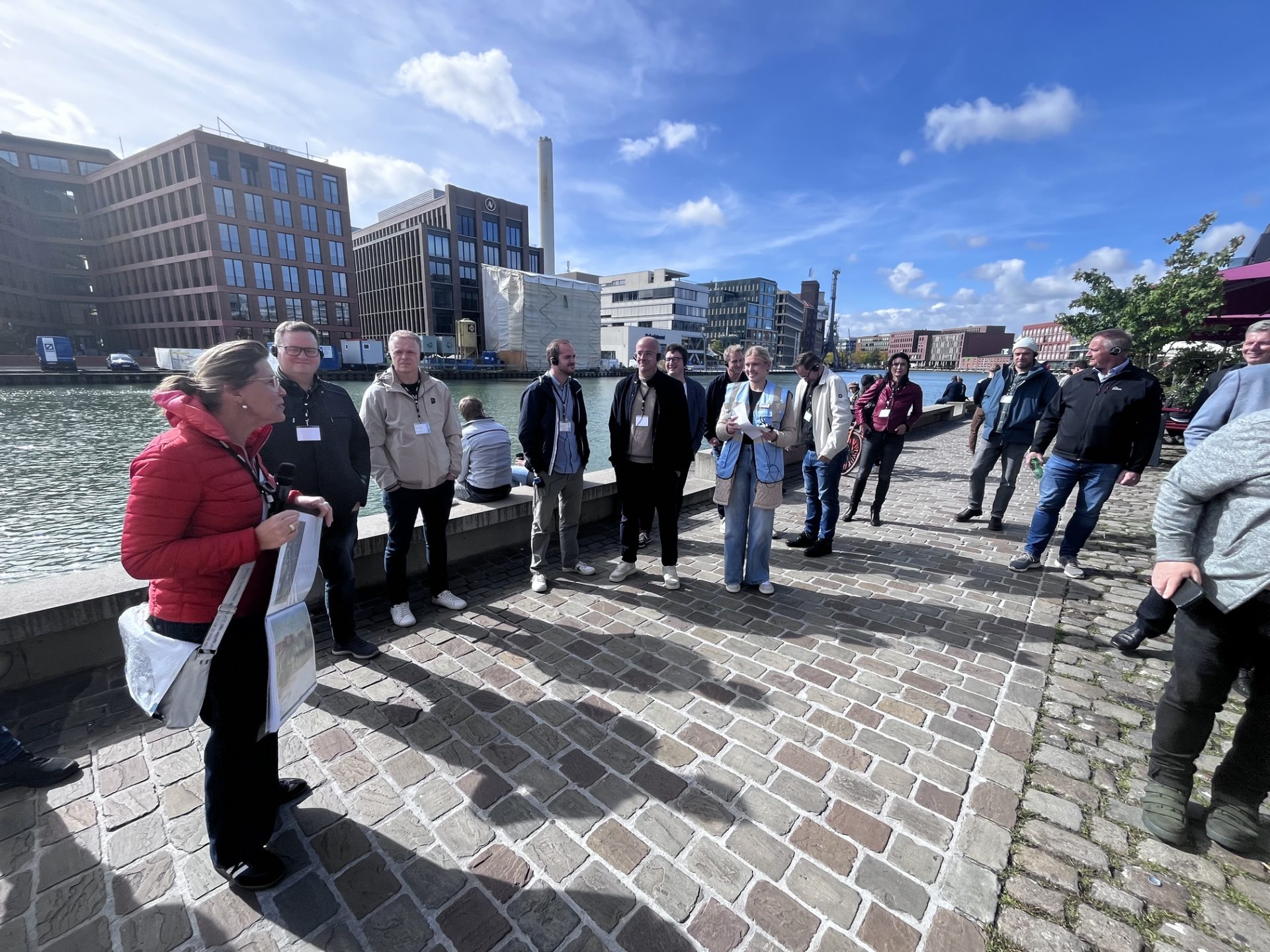
In addition to the lectures, the 26th Brillux Architecture Forum offered ten excursions on five key topics – with a focus on transformation processes in Münster.
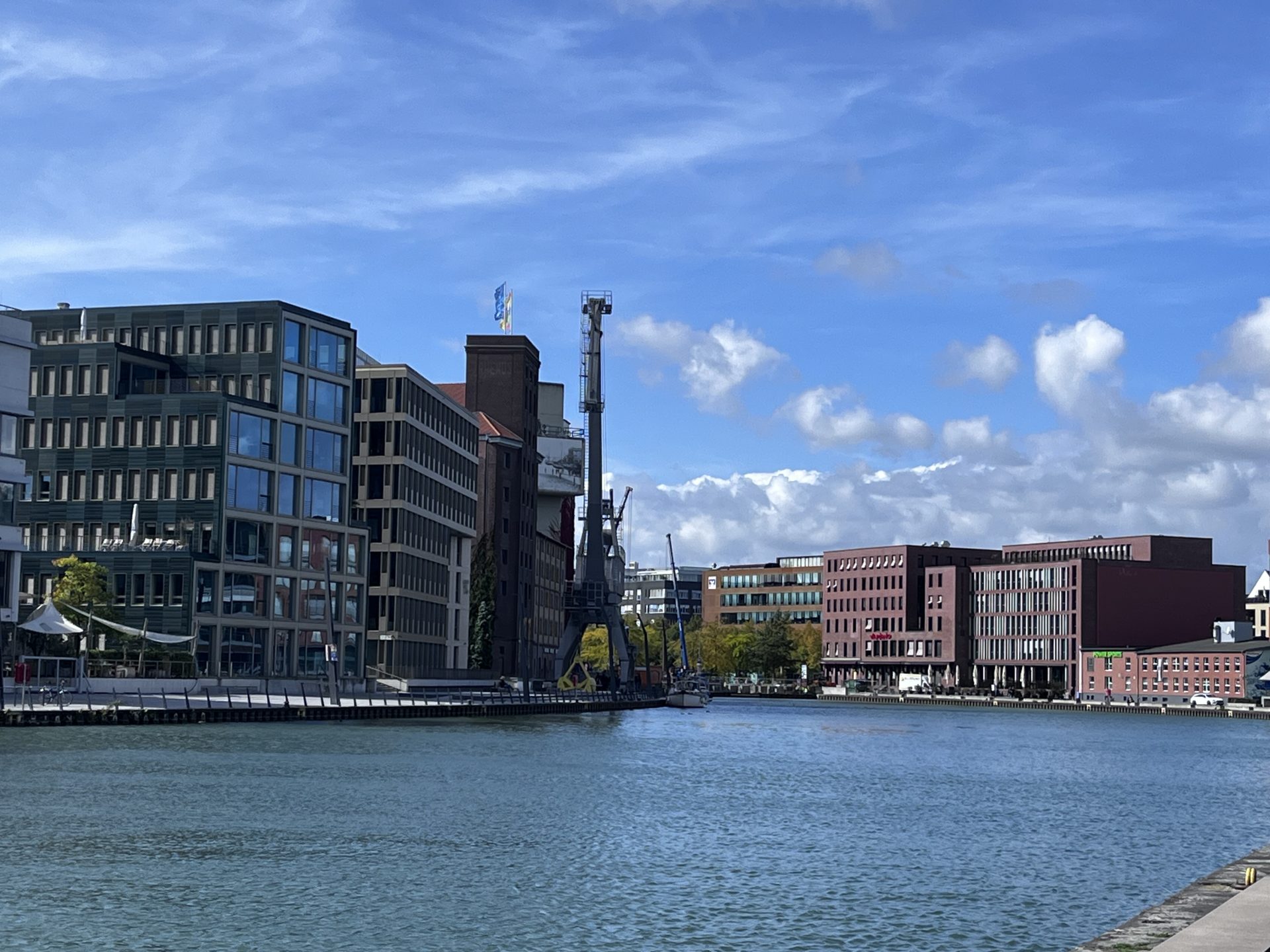
Among other things, the focus was on the transformation of the northern and southern harbour areas, urban development around the main railway station, and forward-looking new buildings for cutting-edge research on the Leonardo Campus and the university grounds. In addition, architectural highlights from the fields of art and culture in the city centre were presented.

Guiding Architects, article: 26th Brillux Architecture Forum in Münster (Fig. 13)

Tours Münster. ©Claudia Neeser ga-munich

The excursions offered inspiring insights into current urban planning and architectural processes – and rounded off an all-round successful event that received a lot of positive feedback.

Guiding Architects, article: 26th Brillux Architecture Forum in Münster (Fig. 14)

Tours Münster. ©Claudia Neeser ga-munich

The event was conceived and the tours organised by ga-munich (Guiding Architects Munich) under the direction of Claudia Neeser.

I would like to express my sincere thanks to my colleague Alessandra Speziali for her valuable support and to Anke Tiggemann for her dedicated work on site. Special thanks also go to Brillux for their trust and this exciting assignment!