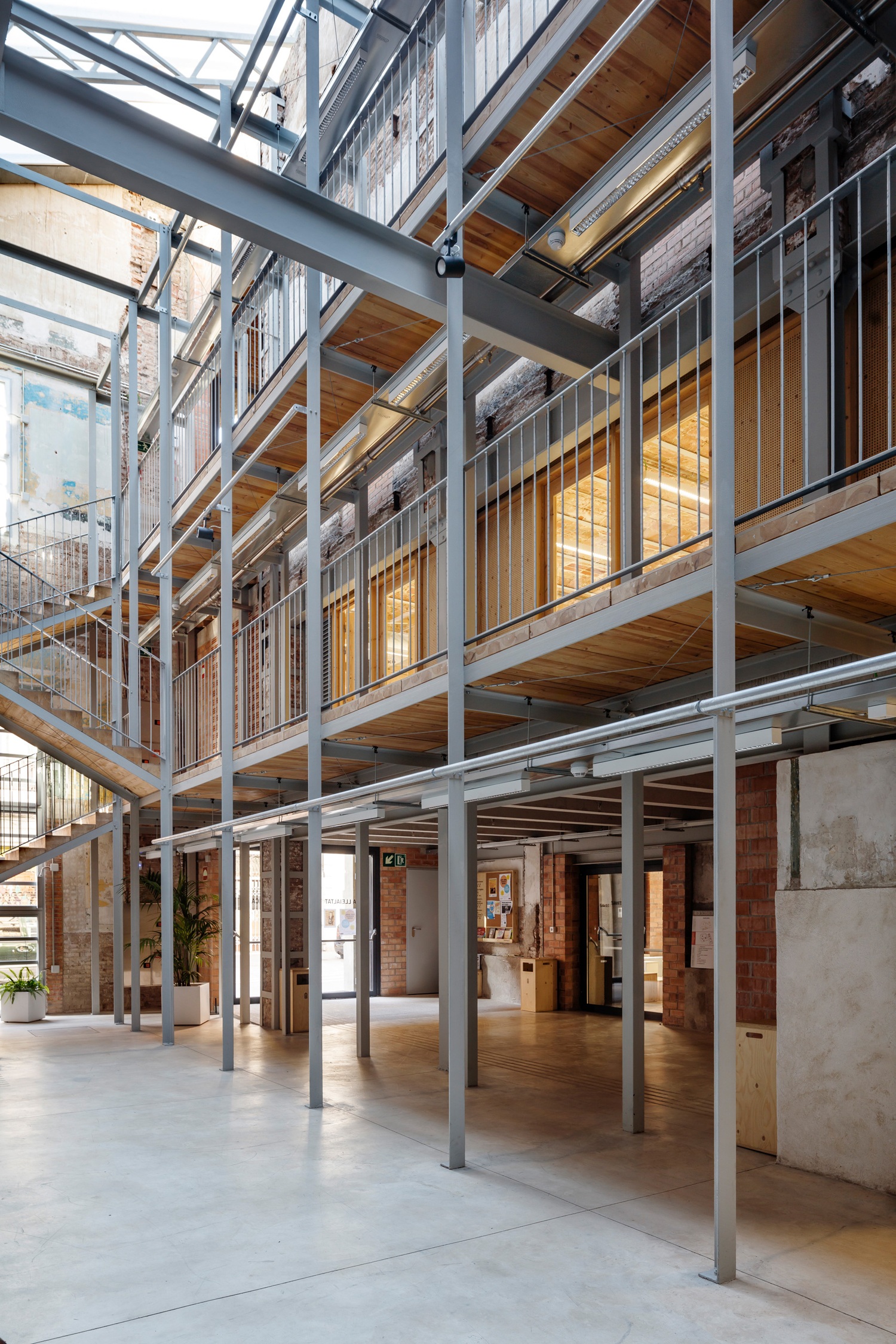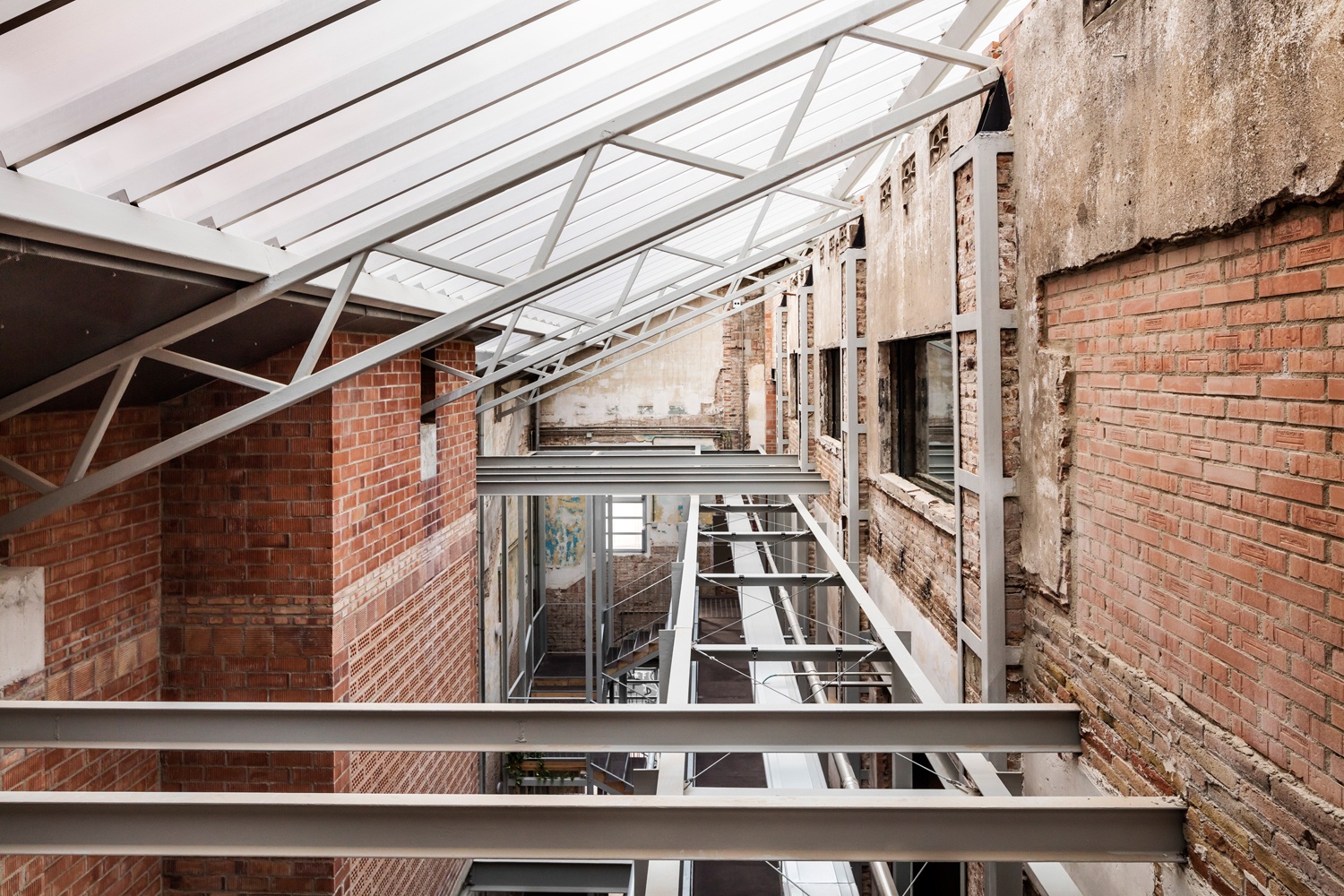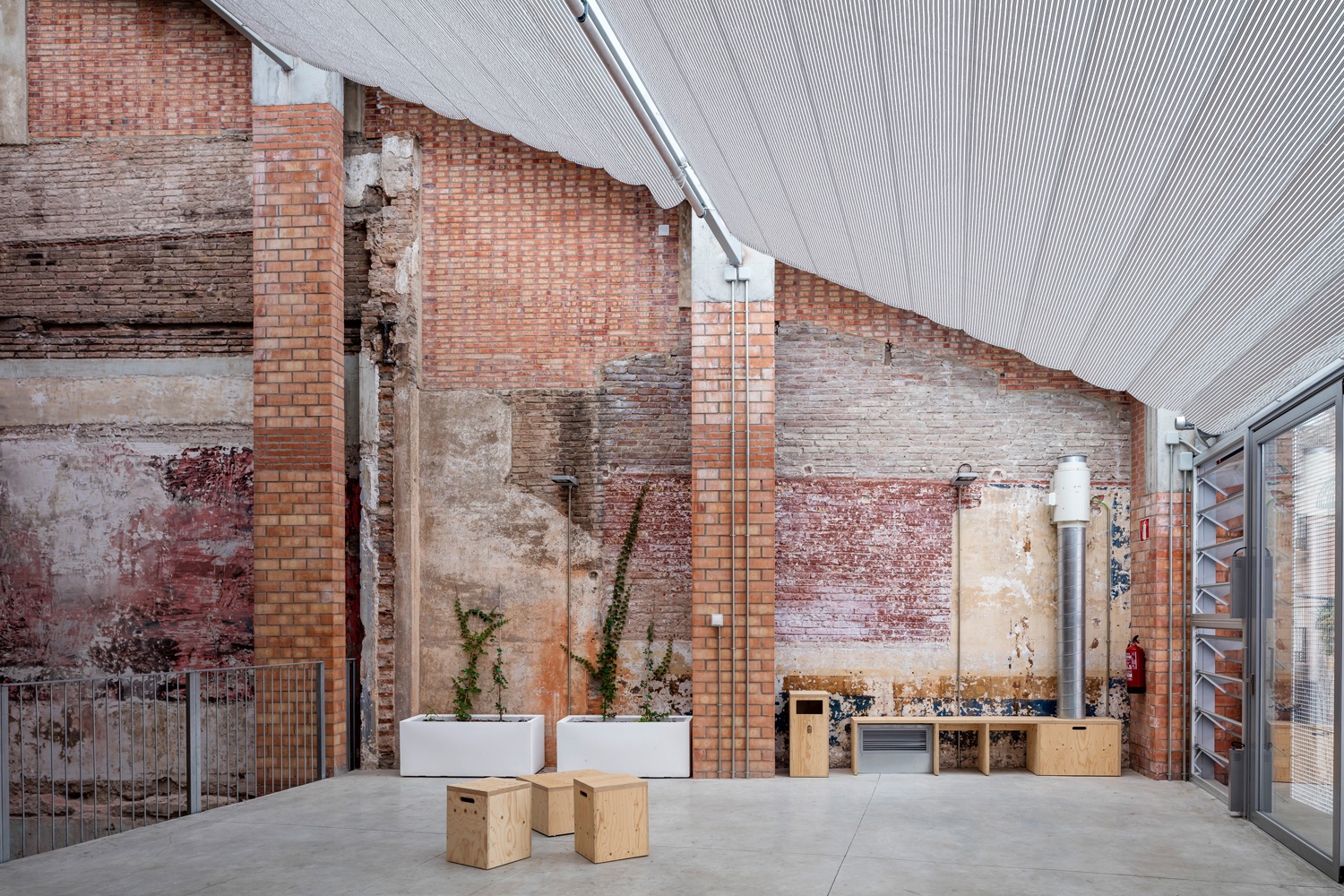
Spain is one of the countries where the impact of the economic crisis has been particularly severe for the architecture sector. The financial downturn is accompanied by the current social and environmental crisis. In this context of uncertainty, a young generation of Spanish architects explores alternative ways of thinking and undertaking architecture, approached from the perspective of sustainability, understood in its environmental, economic and social dimensions.
We present two examples of sustainable construction, which, using different strategies, champion an architecture in service of society and the environment.
Vil·la Urània — Urban green spaces as source of livelihood
This new complex of public facilities was erected in a late 19th century residence in the Sarrià-Sant Gervasi district of Barcelona. Designed by SUMO Arquitectes + Yolanda Olmo as a nearly zero-energy building (nZEB) and completed in 2017, the project also comprised the refurbishment of the existing small mansion Vil·la Urània and the restoration of the surrounding garden as a public space.