In the annals of the Iberian Peninsula, beyond the captivating walls of historical landmarks such as the Alhambra in Granada or the Mosque-Cathedral in Córdoba, Andalusia unfolds as a universe waiting to be discovered. Here, architecture and food converge seamlessly, especially in the realms of wine, gastronomy and olive oil production, creating a tapestry of flavors that intertwines with the artistry of construction and, of course, the joy of fine dining.
Let’s begin with wine
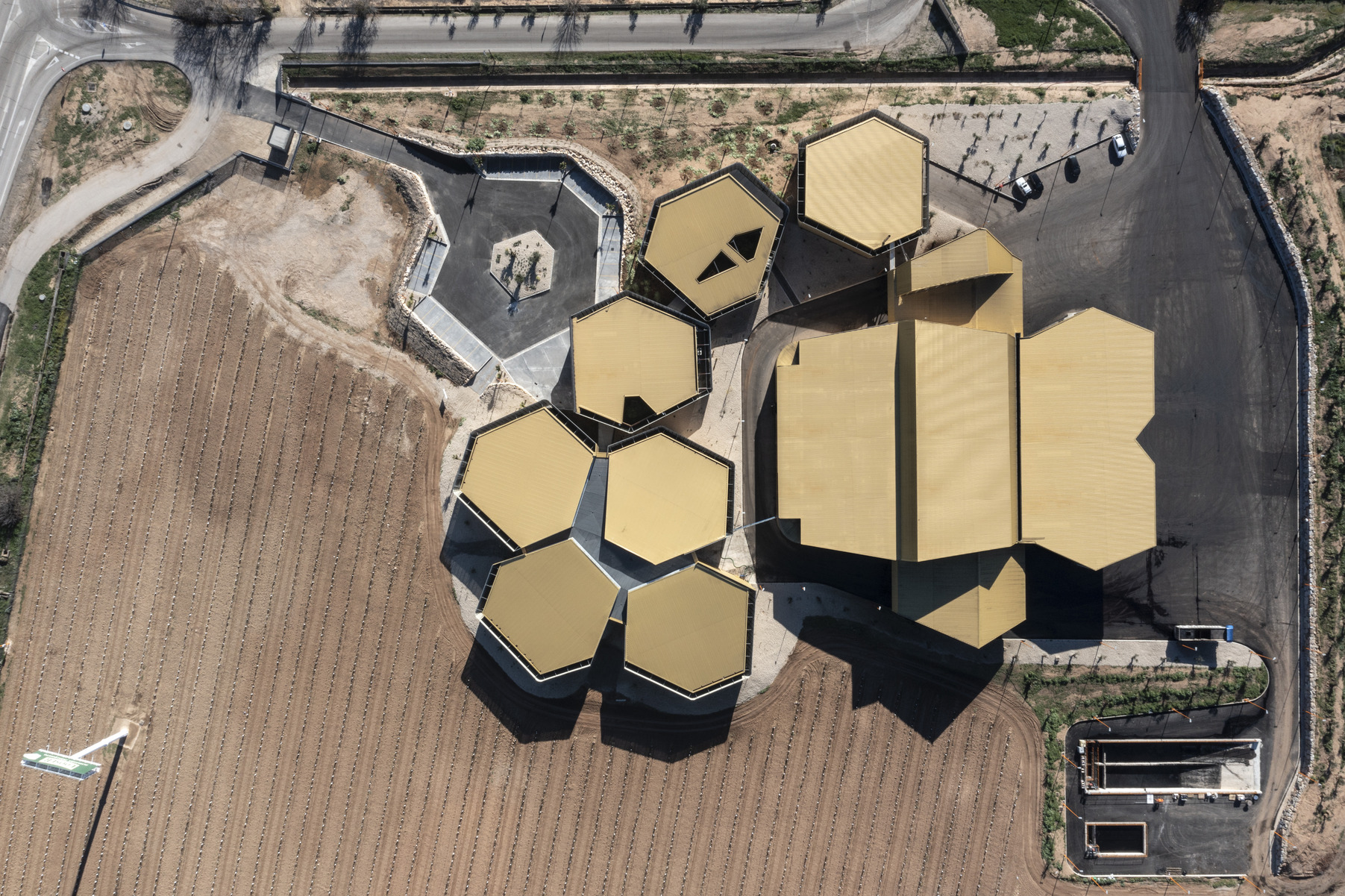
While in the northern regions of Spain, renowned international architects have crafted “show-buildings” for well-known brands in recent decades, Andalusia boasts its own unique approach. In the 1960s and 70s, the grand traditional wineries, especially those in Jerez, underwent modernization. Notable examples include the Garvey Cellars designed by Miguel Fissac, the Copas designed by Eduardo Torroja — created to house up to 20,000 wine barrels — and the William and Humbert Wineries designed by the Arquinde Studio, featuring more than 445 pillars. These structures, designed by some of the country’s best architects and engineers, continue to serve their purpose satisfactorily to this day.
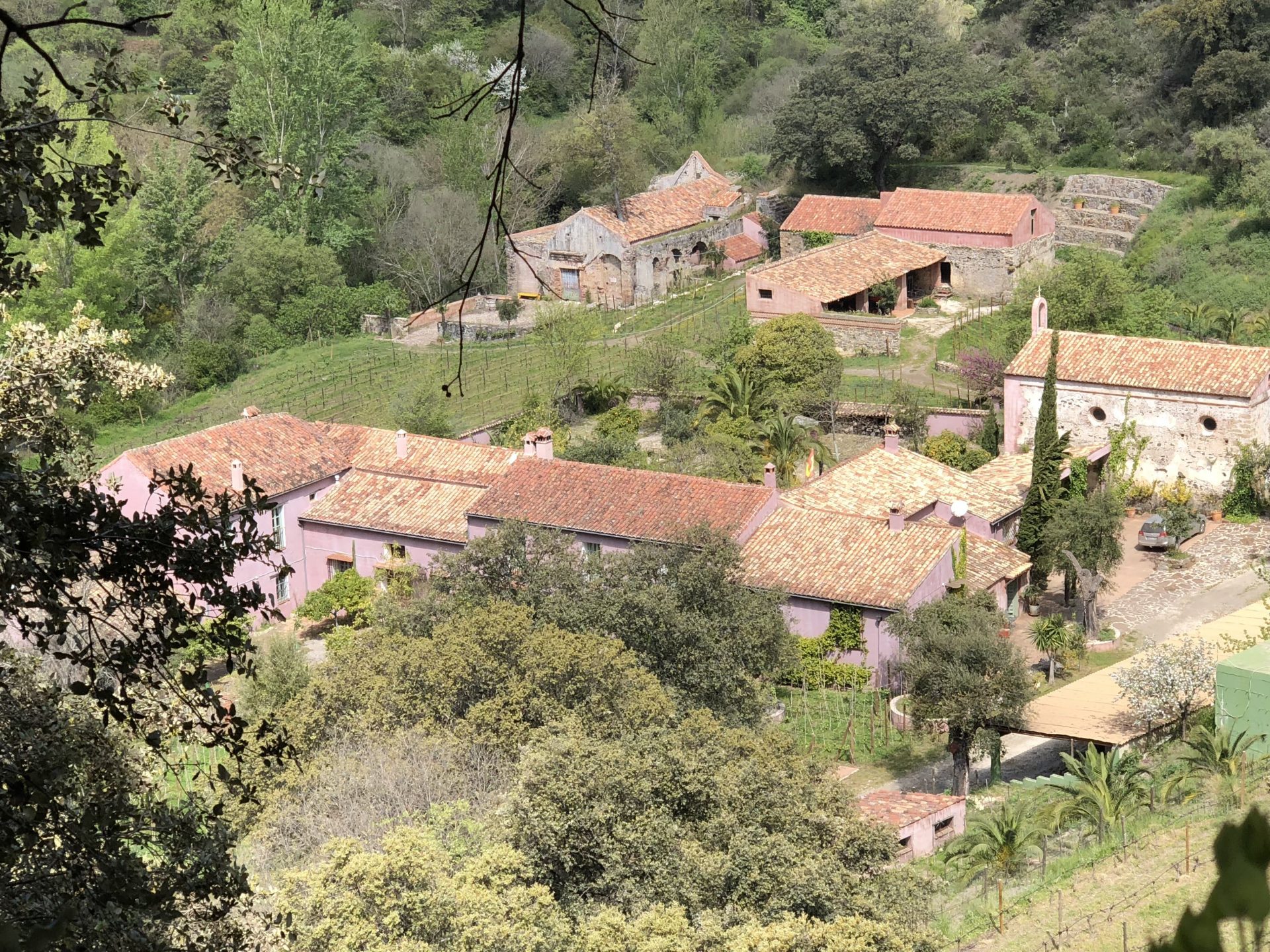
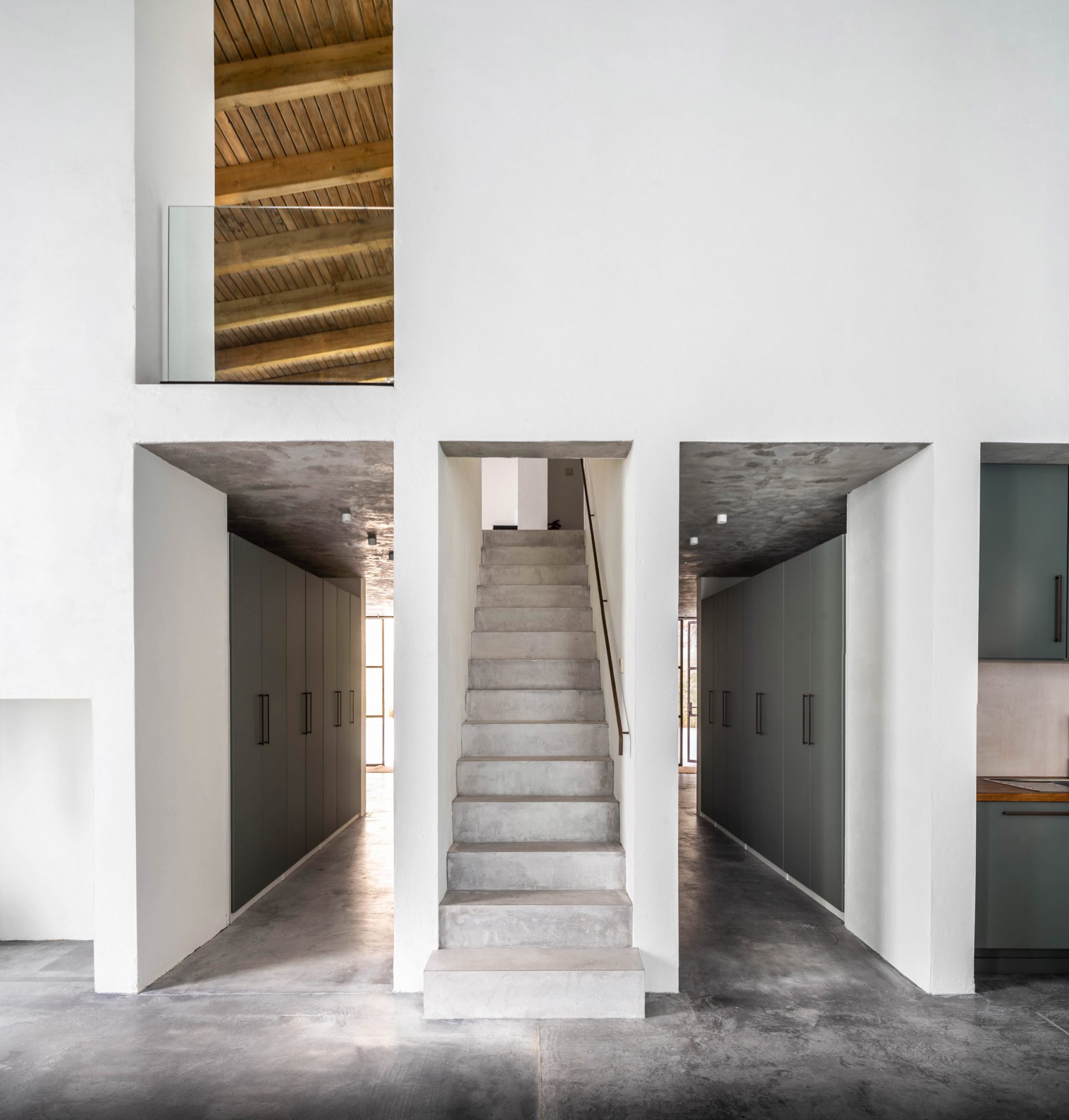
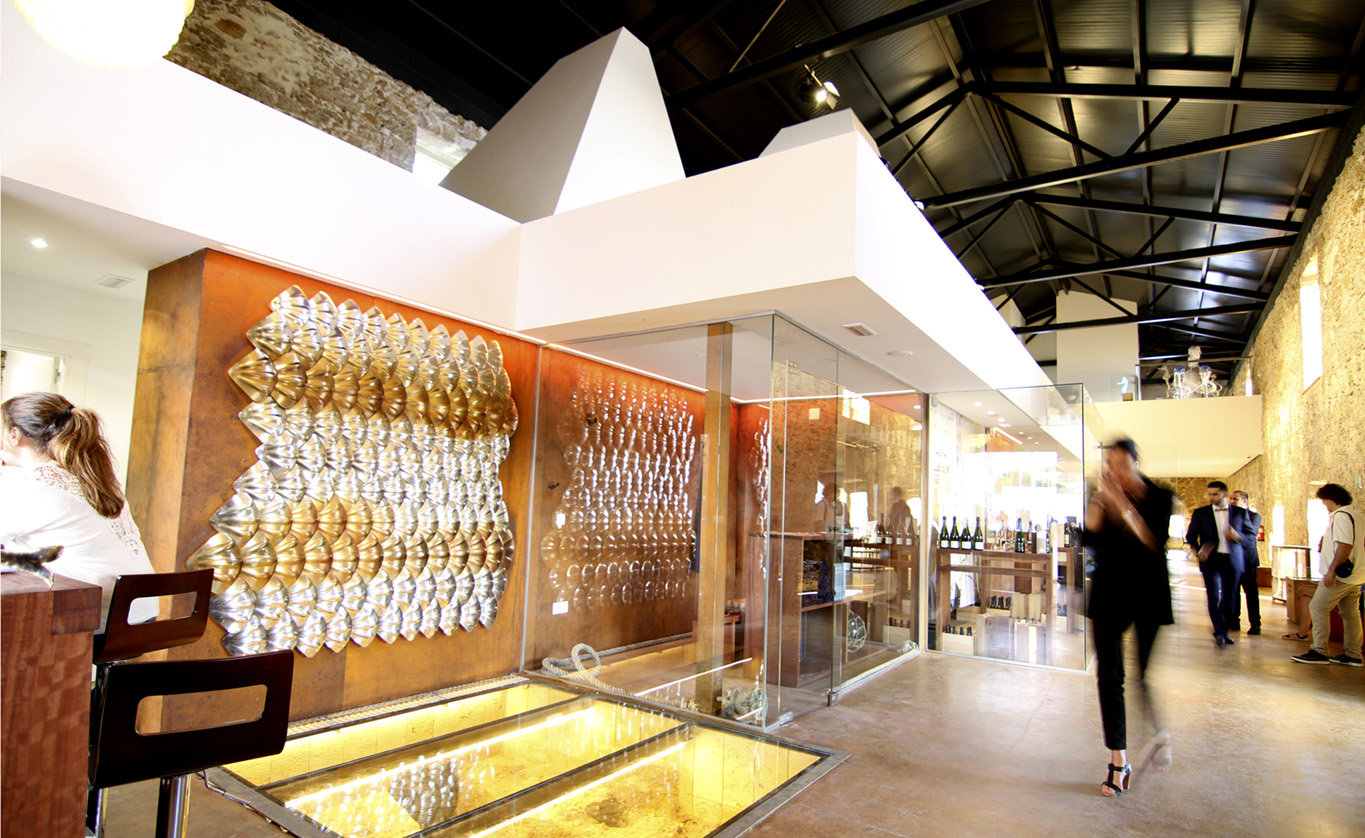
However, the landscape of winemaking architecture in the region is diverse. Large traditional brands coexist with small wineries that ingeniously repurpose parts of the existing architectural heritage for their new facilities. Consider the “Antigua real fábrica de hojalata” winery hidden in the spectacular Genal River valley in the province of Málaga. Architect Elena Ordoñez orchestrated a delicate architectural recovery of an 18th-century tin foundry, with energy autonomy and the surprising interior decoration of the residential space made by Enrique, the owner of the winery and recognized with the Hispania Nostra Award.